
DAY 7 (30th September 2023) – SEOUL (Demilitarized Zone)
Although not many people would consider this a touristy place per se, as an adventure traveller, this was a must do for me. Where else in the world is it safe to venture into a war zone, walk right up to the border, possibly having someone on the other side spying on you as you go about your day and live to tell the tale? In fact, well, at least on the South Korean side, the Demilitarized Zone or “DMZ” for short, has indeed been turned into a commercial area where multiple buses make the hour-long journey north from Seoul.
Tourists are not allowed to travel there on their own – everyone must join any one of the many tours offered in Seoul, and passports are a must. There are many strict rules to follow and there are many restricted zones which are off-limits, of course, but there are guided tours to see the infiltration tunnels dug by the North Koreans, the Freedom Bridge, and other ‘tourist attractions’. Perhaps the surprising thing for me was that many of these tourists were actually Koreans, as if they too, wanted to be part of the history of the place or perhaps to pay respects to those who sacrificed themselves in the war to preserve what the modern generation is now enjoying.
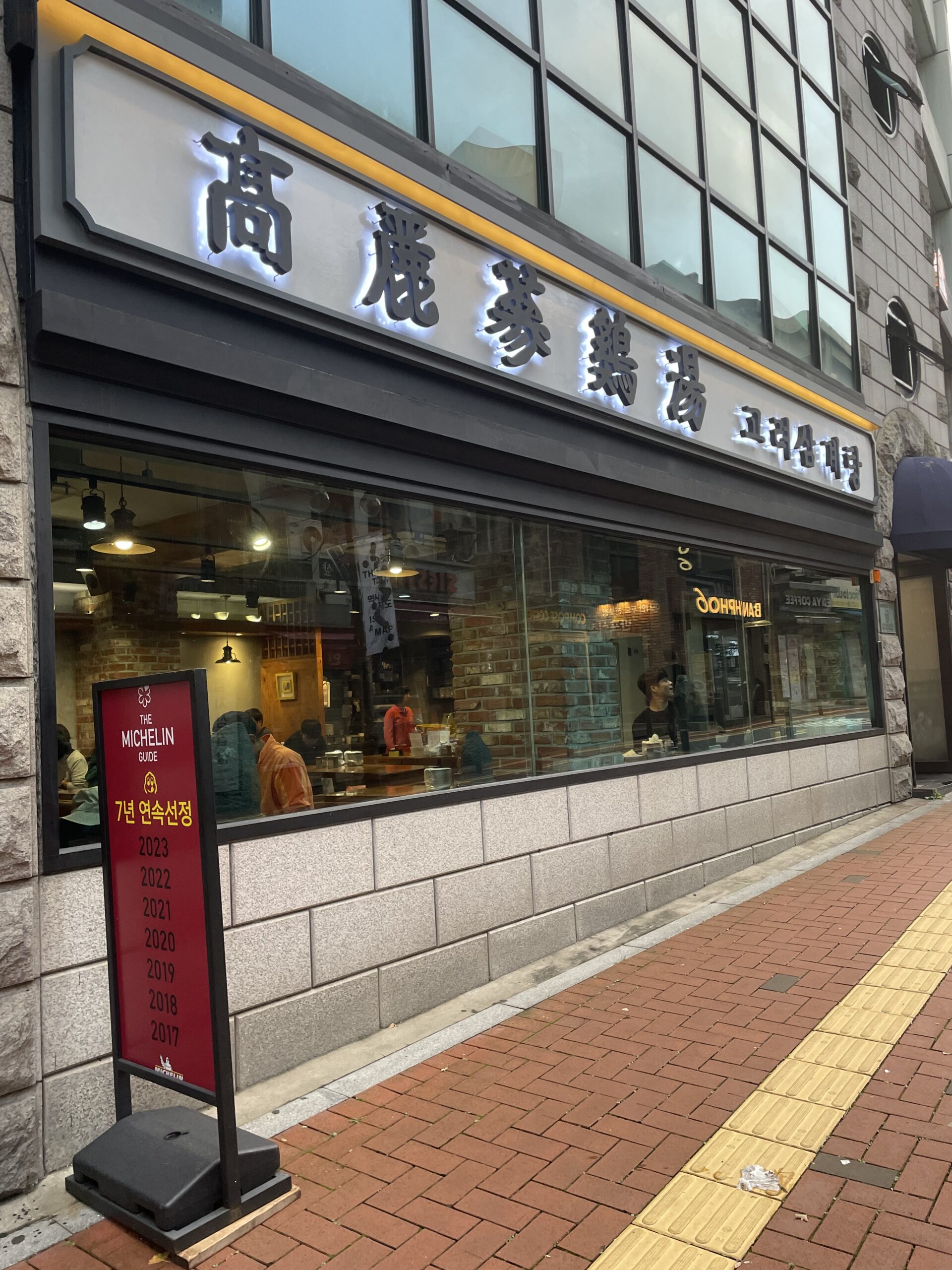
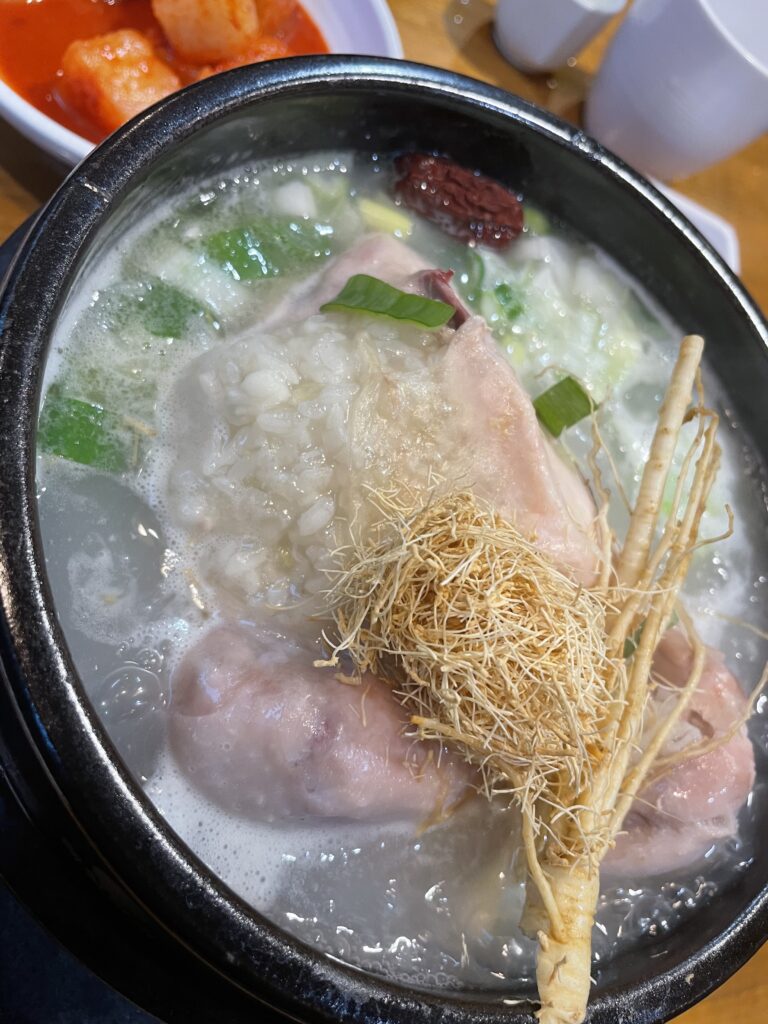
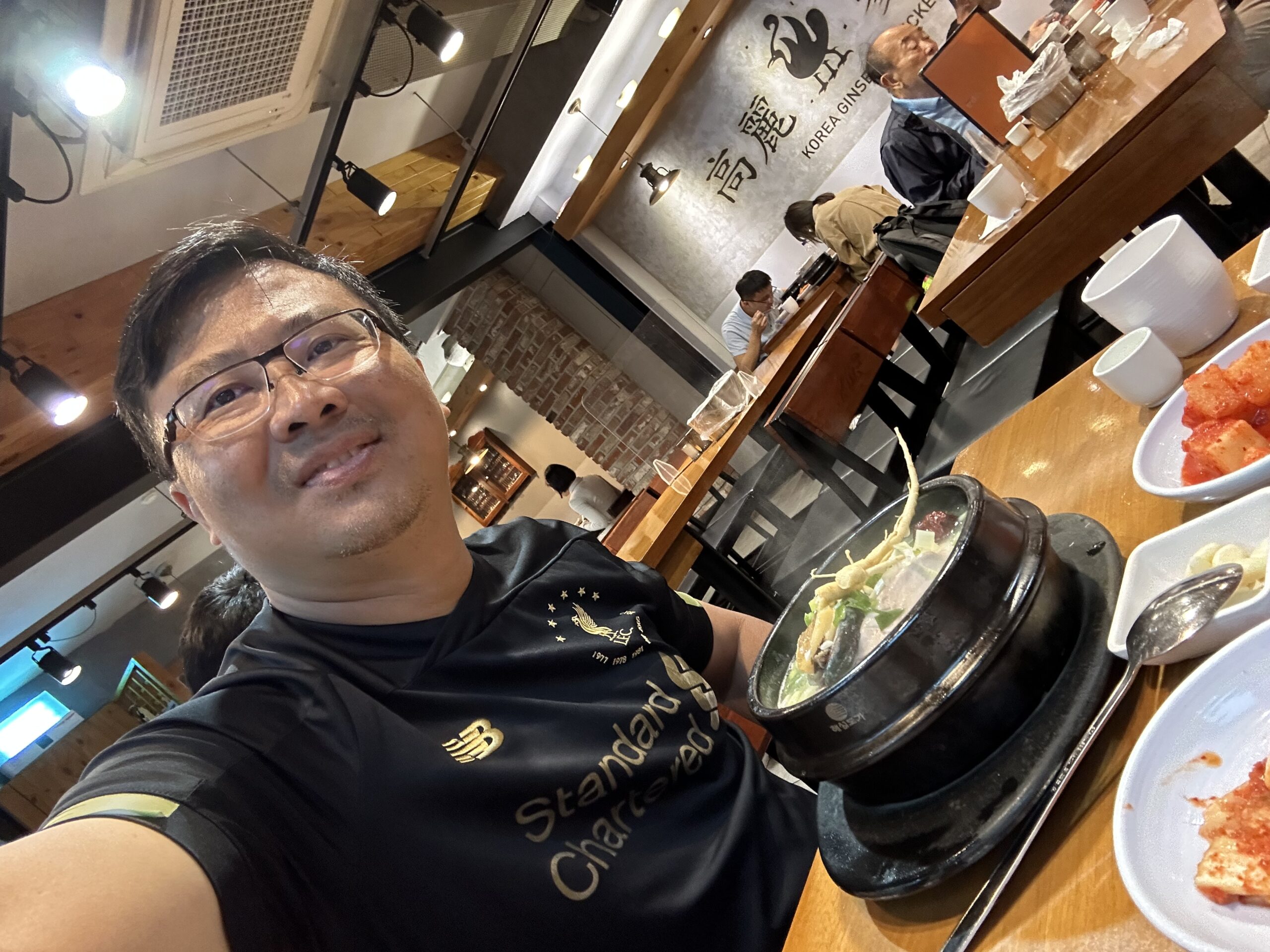
Then the rest of the day was spent in the shopping districts, and walking around the city. Since it was a Saturday, the atmosphere in and around the parks we passed by were definitely livelier and people were just enjoying the late summer evenings. We tried the famous ginseng chicken at a Michelin Guide restaurant, another must-do in Seoul before we head home the next day.
General Overview of the Demilitarized Zone
Technically, the two Koreas are still at war, and the hostilities are still pulpable, leading to several skirmishes and incidents over the years. After fighting for three years, an armistice was called in 1953 between the two sides, putting an end to the battle, but not the war. In the aftermath, an exclusive 2.5-mile-wide zone was created roughly along the 38-parallel, which acts as the de facto border between the two countries, running the entire 160-mile length of the Korean Peninsula.
Both sides have placed troops and military equipment on their sides of the border with utmost urgency and alertness. But, what they couldn’t do openly on the surface, the North Koreans have tried to do so underground. So far, four infiltration tunnels, measuring approximately 2m wide and 1.8m height have been discovered, and each of these tunnels are said to be able to move up to 30,000 troops per hour with light weapons. One of the tunnels was said to be able to accommodate artillery units through the tunnel. Since Seoul is less than 60km away from the DMZ, perhaps their goal was to build these tunnels as deep into South Korean territory as possible, and as close to Seoul as possible for a future surprise attack.
An unintended consequence of the DMZ is that because no man from either side could enter the zone, nature had taken over – animals of all kinds and diverse plant life have taken root in the last 70 years in the zone, undisturbed by human presence and industry. The wildlife have flourished, showing us that without humans, Mother Nature has no problems reclaiming her share of the earth. Unfortunately (or fortunately), no one can go in and verify the variety, numbers, health and wellbeing of the flora and fauna in the zone. Maybe it’s better this way….
Korea Peninsula Ecological Peace Tourism Information Centre
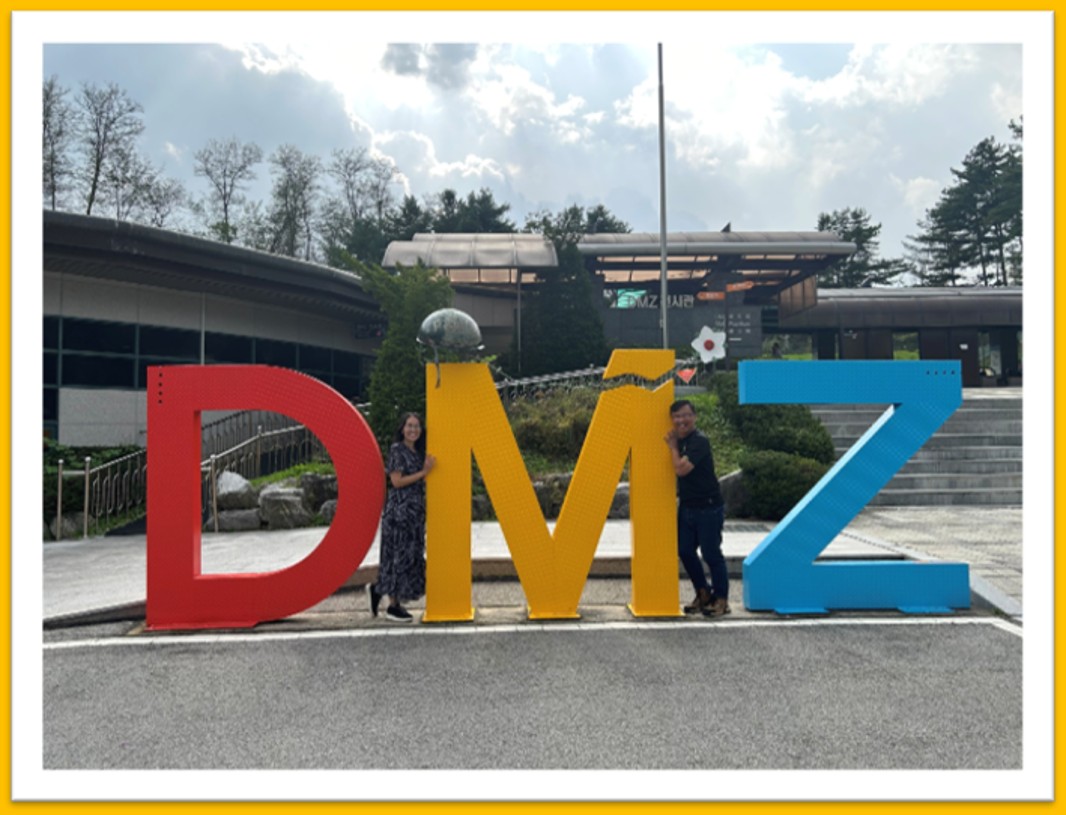
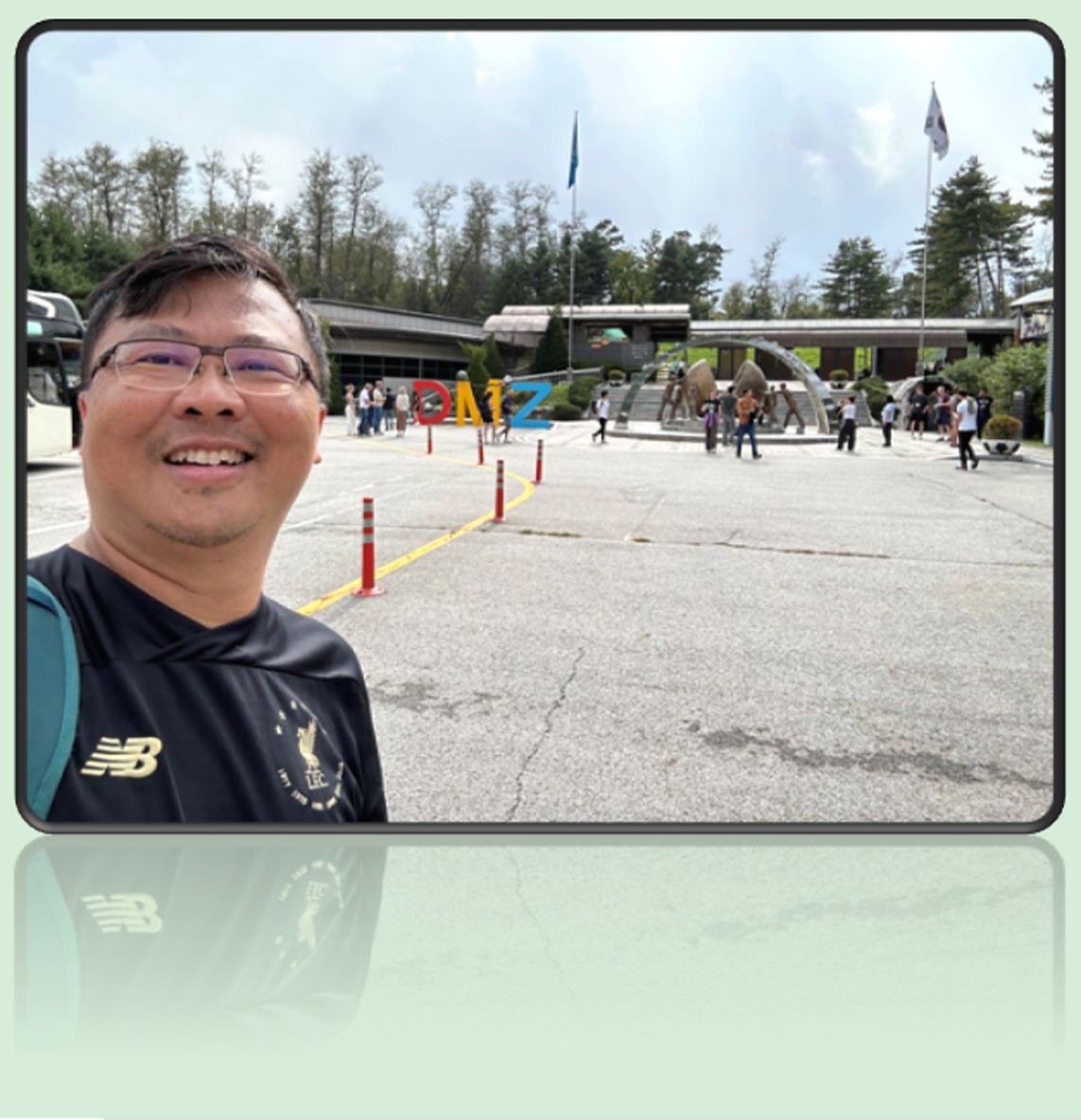
Our first stop of the DMZ tour is the Korea Peninsula Ecological Peace Tourism Information Centre in Paju – a big building with many restaurants and souvenir shops, and is the focal point of all the tourist buses. It would probably be a good idea to take a photograph of the bus you came in at this juncture, as you will only be allowed to leave the area in the same bus you came in. Being ‘lost’ is not an option, as every name is specifically tied to a bus. Throughout the tour, we would have to stop at various checkpoints, and men in military garb have boarded our buses on more than one occasion.
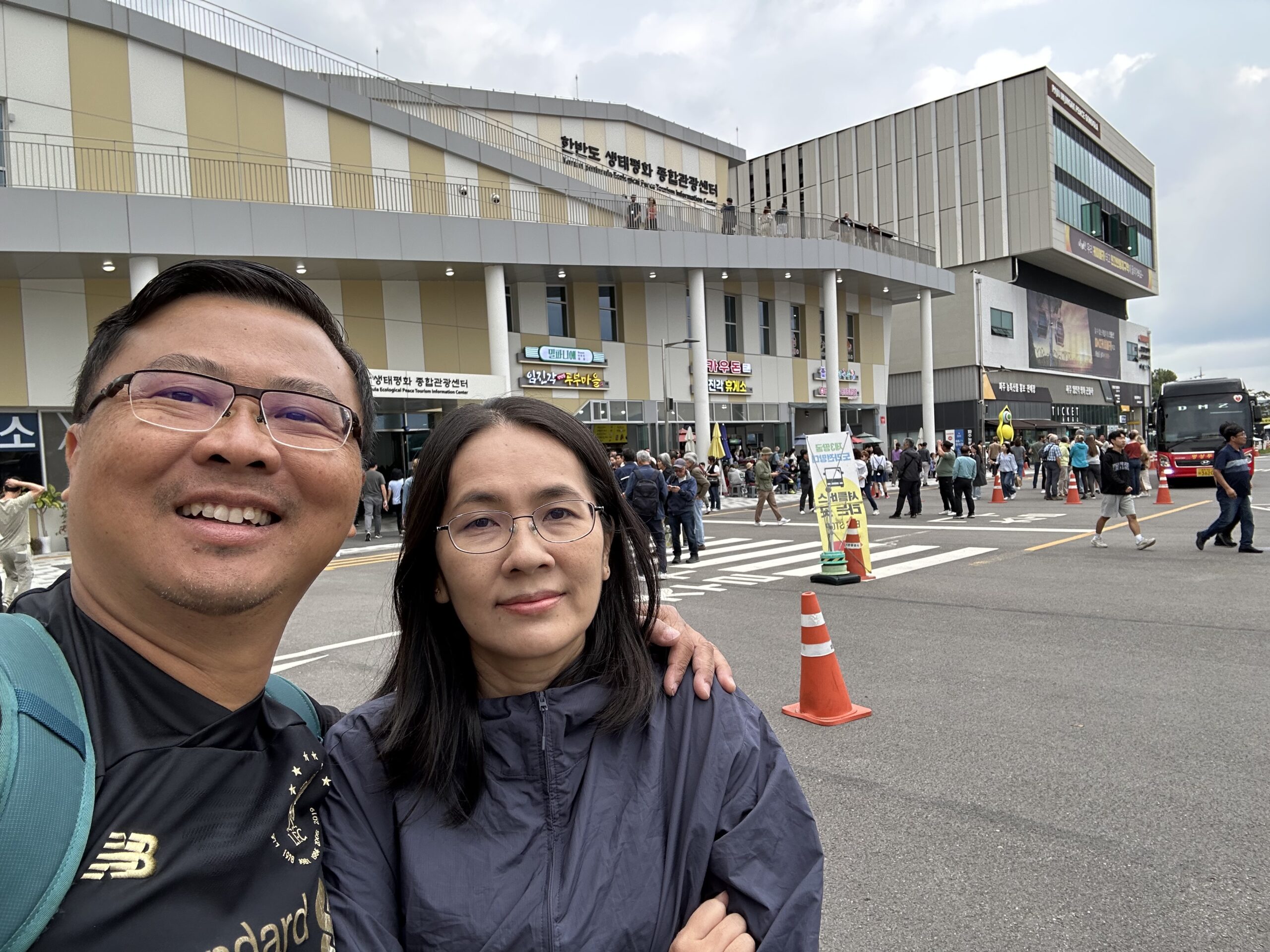
Just off to the left side of the building, is an area known as the Imjingak War Memorial, a small park where many war relics and symbolic structures and steles have been erected to commemorate the war that has broken many families apart. It is pertinent also that the Korean War of 1950-1953 was preceded by the then recently concluded World War II, where the Japanese Imperial Army had taken over the entire peninsula. Hence, some of the structures were also to remember that part of Korea’s history – the Japanese Occupation.
Some of these structures are stark reminders that for many, the war is not over, and many still yearn to be reunited with their lost family members – of course many have since died and never got to fulfil their wishes to see their loved ones.
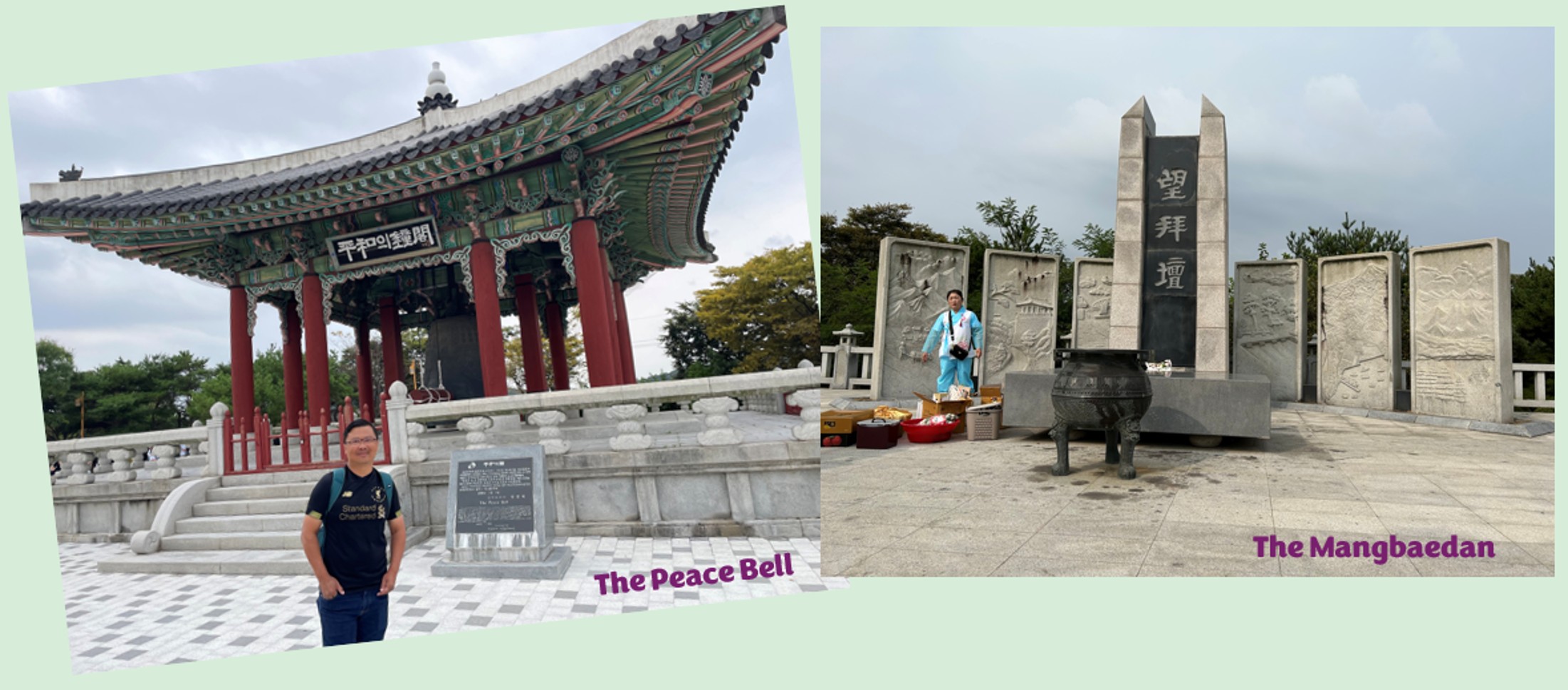
The Peace Bell was installed in this area in year 2000, symbolizing the hope of reunification and remembrance of the existing conflict, which enters now into the new millenium. Nearby, stands the north-facing Mangbaedan Memorial Altar, a place where the luckier North Korean refugees who managed to make their way into South Korea come to visit, pray and perform ancestral rites by bowing to their parents and grandparents who have been left behind in North Korea. This happens twice a year during the major holidays.
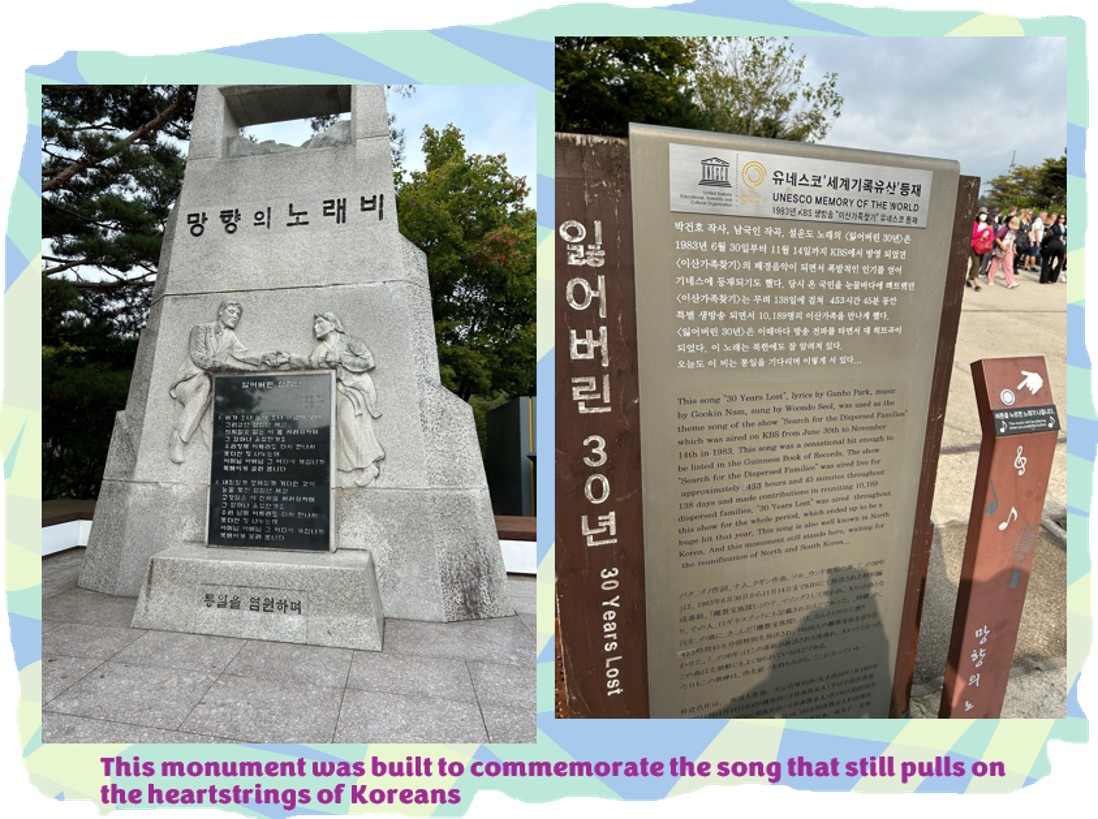
In 1983, South Korea’s broadcast station, KBS, ran a program for 138 consecutive days called “Search for Dispersed Families” with the aim of reuniting lost family members in the intervening years after the Korean peninsula divide. The program’s theme song, entitled “30 Years Lost” sung by Sul Woon Do became a very popular song, and still pulls on the heartstrings of Koreans on both sides of the divide today. A monument was built to remember the event which brought more than 10,000 people together, and we can listen to the song with a press of the button.
The first lines of the song go, “Rain or snow or wind, I longed for thirty years. With nowhere to turn, I grieved, how much I cried. Now that we brothers have finally met again, we share our unfinished feelings. Mother, Father, where are you? I call out with a lump in my throat.”
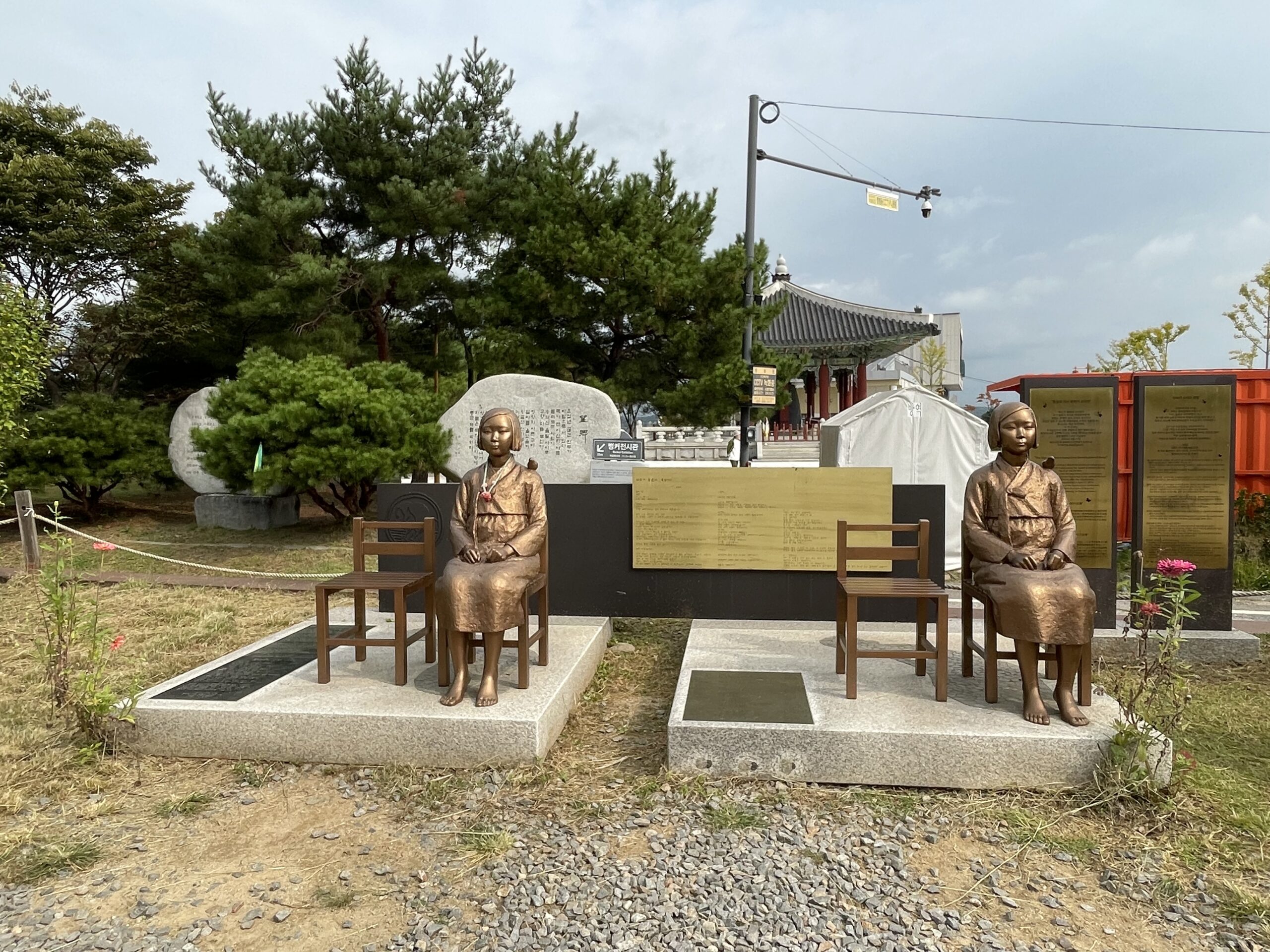
On 27th April 2018, the two national leaders of South Korea President Moon Jae-in and North Korea Chairman Kim Jong-Un signed the Panmunjom Declaration, aiming to finally end the Korean War, and bring a new era of peace and cooperation with the ultimate aim of reunifying the two nations. On the first anniversary of this historic event, the locals erected the Statue of Peace Toward the Reunification of Korea. The bronze statues of two young ladies seated apart depicts the victims of sexual slavery during the time of the Japanese Occupation.
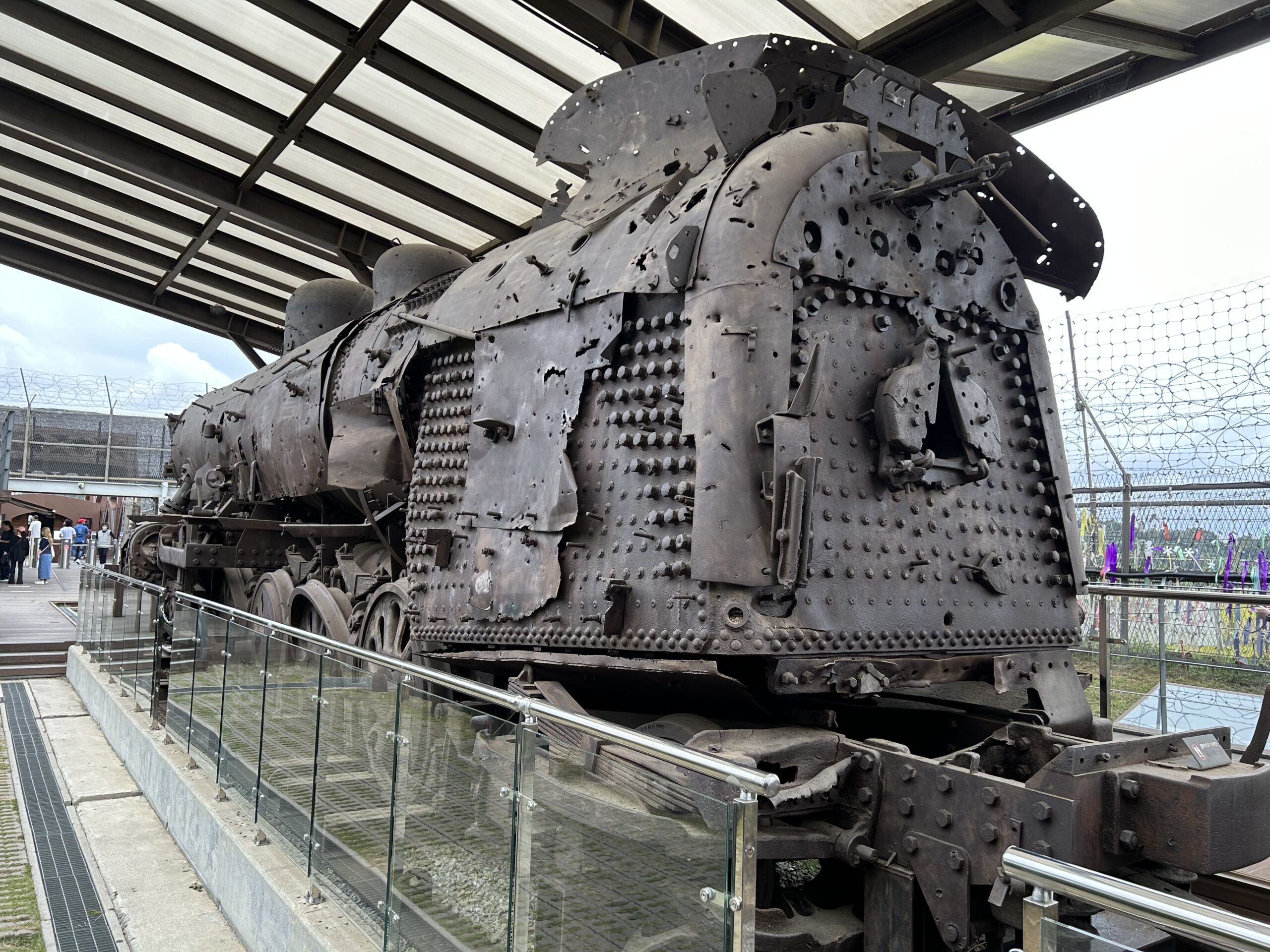
Further inside the park, an old, rusted and heavily damaged locomotive riddled with 1,020 bullet holes (Bro Ray: Someone actually counted the number of holes) was put on display to symbolise the raw, unforgiving nature of war. The locomotive was part of the supply train for the Americans during the Korean War which derailed while in action. It was found resting at another location, but was transferred to its current location in 2006, purposefully left unrestored to drive home the point.
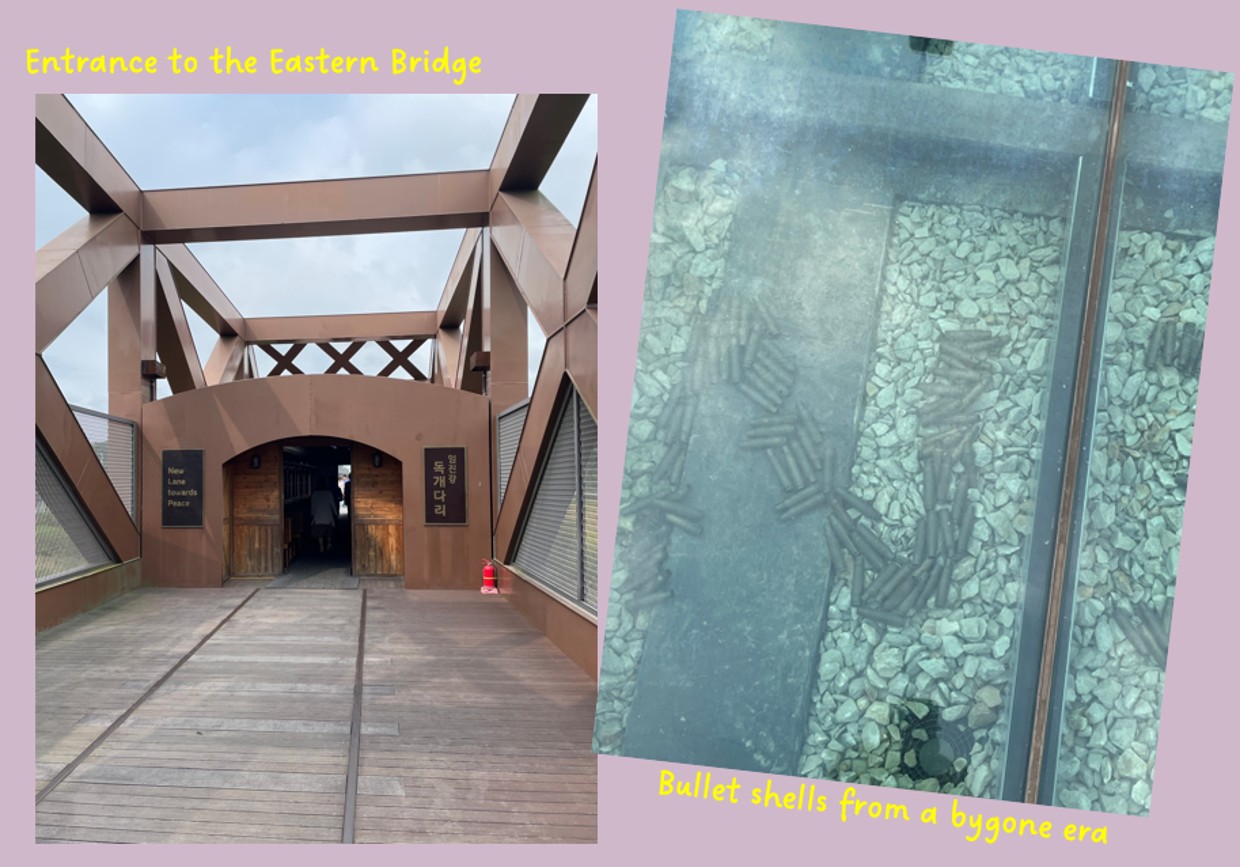
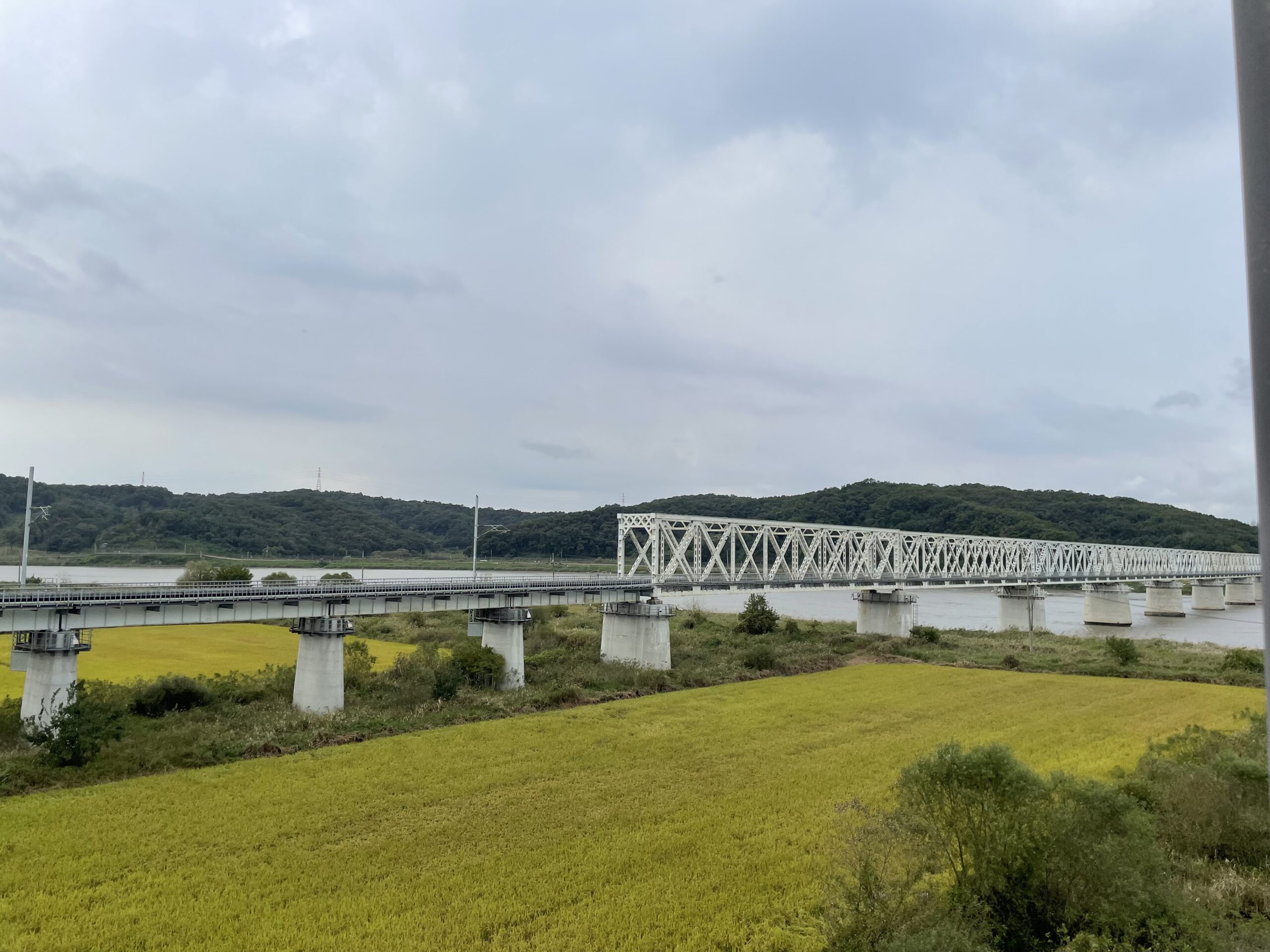
Before the war, a railway track connects Seoul in South Korea to Sinuiju in North Korea, called the Gyeongui Line. At the Imjin River, two railway bridges were built, one for the rail headed north, and the other headed south. During the war, these bridges were bombed out, leaving only the piers, but the western one was rebuilt hastily to receive the 12,773 South Korean and UN forces after they were captured and became prisoners of war. The western bridge remains to this day as a symbolic gesture and hope for reunification, and has been christened “Bridge of Freedom”.
Parts of the eastern track still exist, and have been renovated with walkways for tourists to view the remains of the broken bridge. A glass platform allows glimpses of hundreds of bullet shells left over from that era, left as it were for the last 70 years, another reminder that merely two generations ago, there was a brutal conflict that gripped the immediate area.
Cable Car Across Imjin River
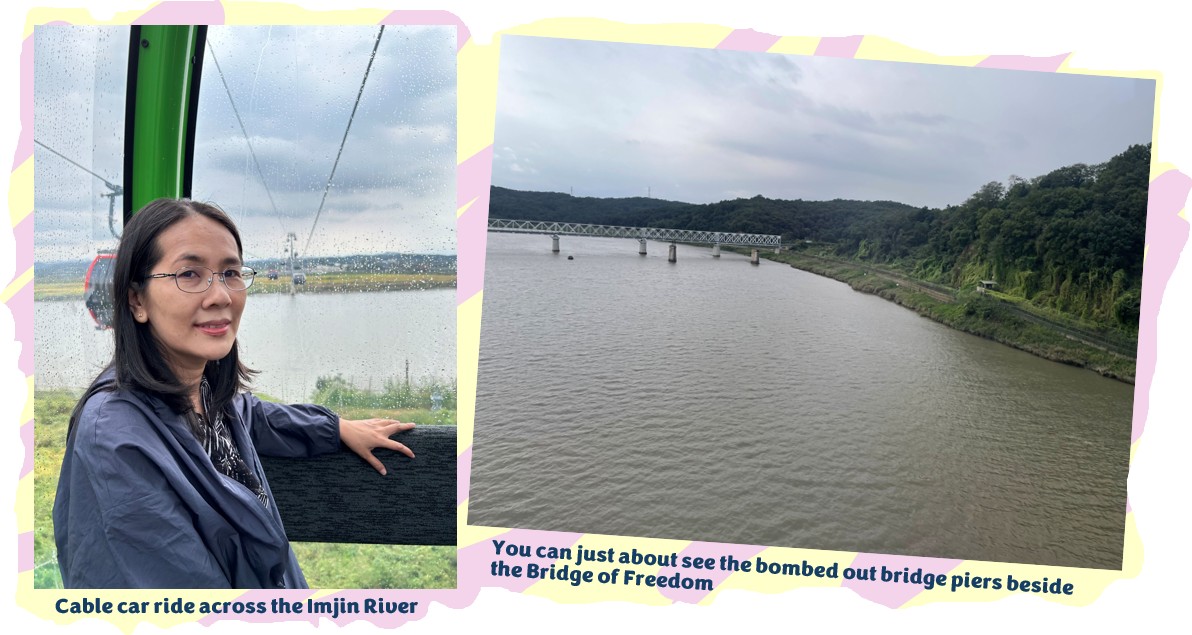
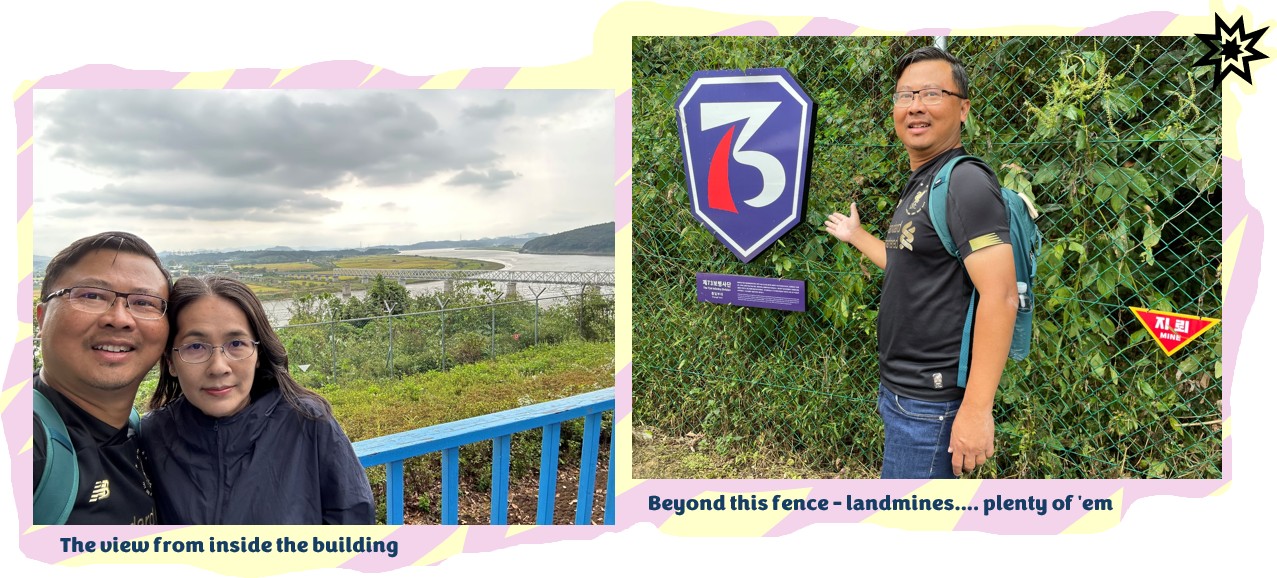
From another part of the building, there is a cable car which crosses over the Imjin River to the northern side, into a four-storey building, which also had marked paths outside to explore. However, the path is heavily fenced off on either side of the path, as the areas beyond the fences are said to be full of land mines. It was drizzling heavily by this time, hence the many tourists which took the cable car over, were cramped into the building, awaiting for some respite. It finally did slow into a small drizzle and we decided to venture out to the guided path.
The Third Infiltration Tunnel
After some time, we crossed back to the southern side of Imjin River, and the bus took us to our next destination, which is the place where the Third Infiltration Tunnel was discovered and intercepted. To get there, the bus had to cross the Unification Bridge, opened in 1998 and serves as the primary entry point of South Korea’s portion of the DMZ. We were stuck at the checkpoint for some time, as one military personnel after another boarded the bus to check the validity of our passes into the zone. Apparently, there was some confusion, but thankfully it was sorted out soon after. We were not allowed to take photos at this juncture.
As mentioned in the earlier section, the North Korean army had tried to infiltrate into South Korea by digging below the DMZ, and so far, four such tunnels have been discovered. The third one, discovered in October 1978, was 73m below ground level. The South Korean Army built an interceptor tunnel, and this interceptor tunnel is now the access to the Third Infiltration Tunnel.
Taking photos inside the tunnel is strictly prohibited. The tunnel is narrow and for most parts, I had to bend a little to get through the tunnel, which had many support beams and columns along the entire way in. There was only one way in and out, hence we had to come face-to-face with those who were walking out. Unfortunately, there really wasn’t much to see, just an abrupt end to the tunnel, which was blocked by a heavy steel door with a small window to view into the tunnel. There were what appears to be some concrete structures on the other side of the steel door, but it wasn’t very clear. (Bro. Ray: Those who are claustrophobic should avoid going in)
New Dora Observatory (Dorasan Bongsudae)
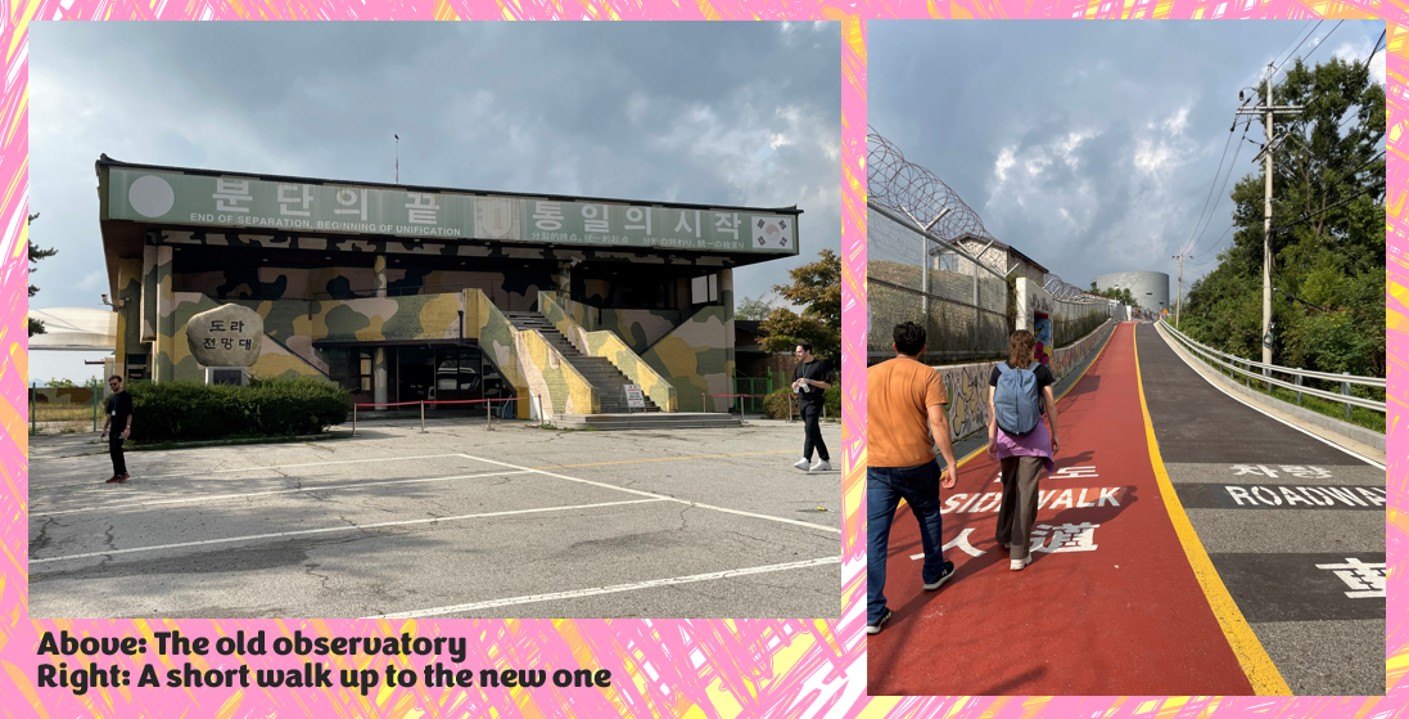
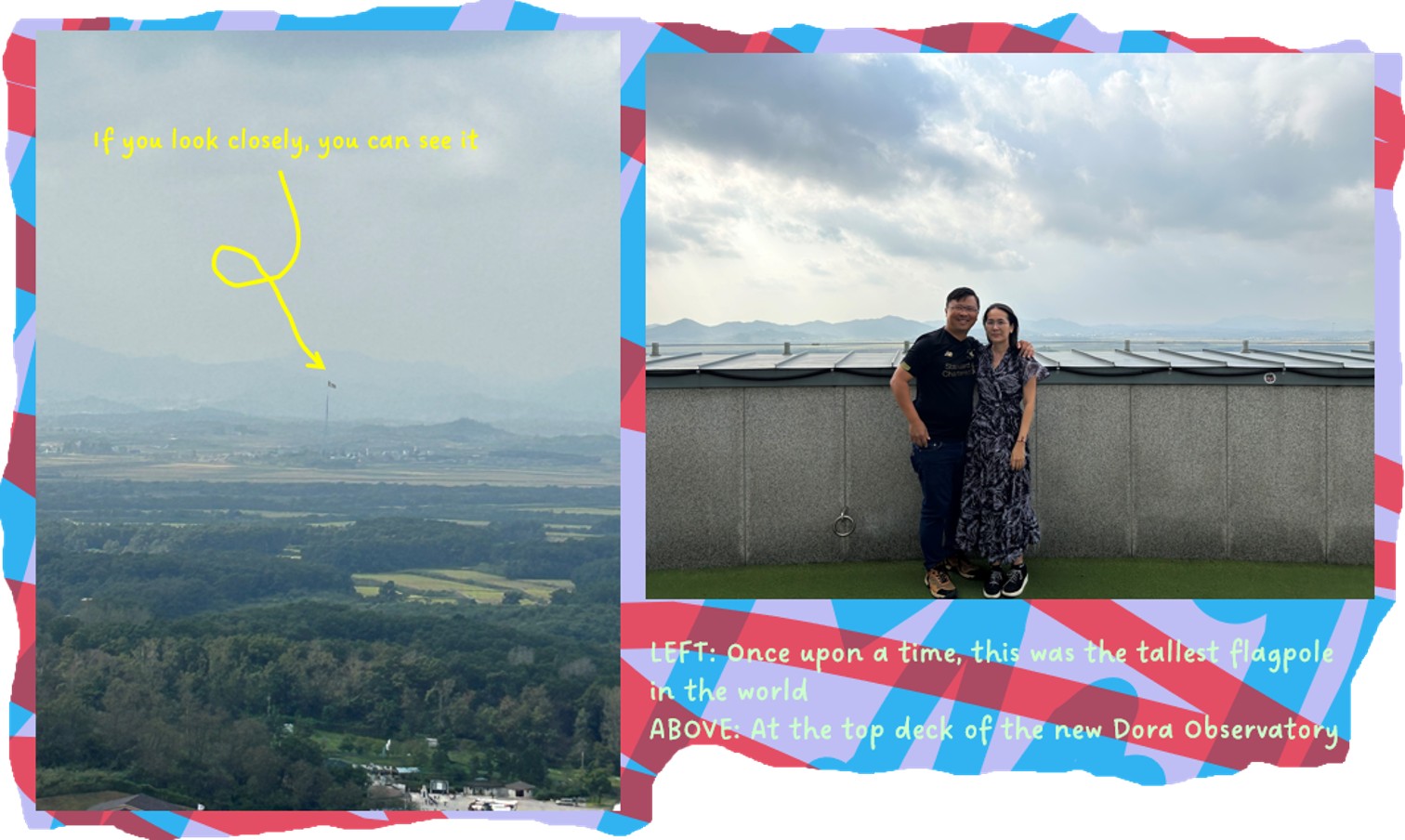
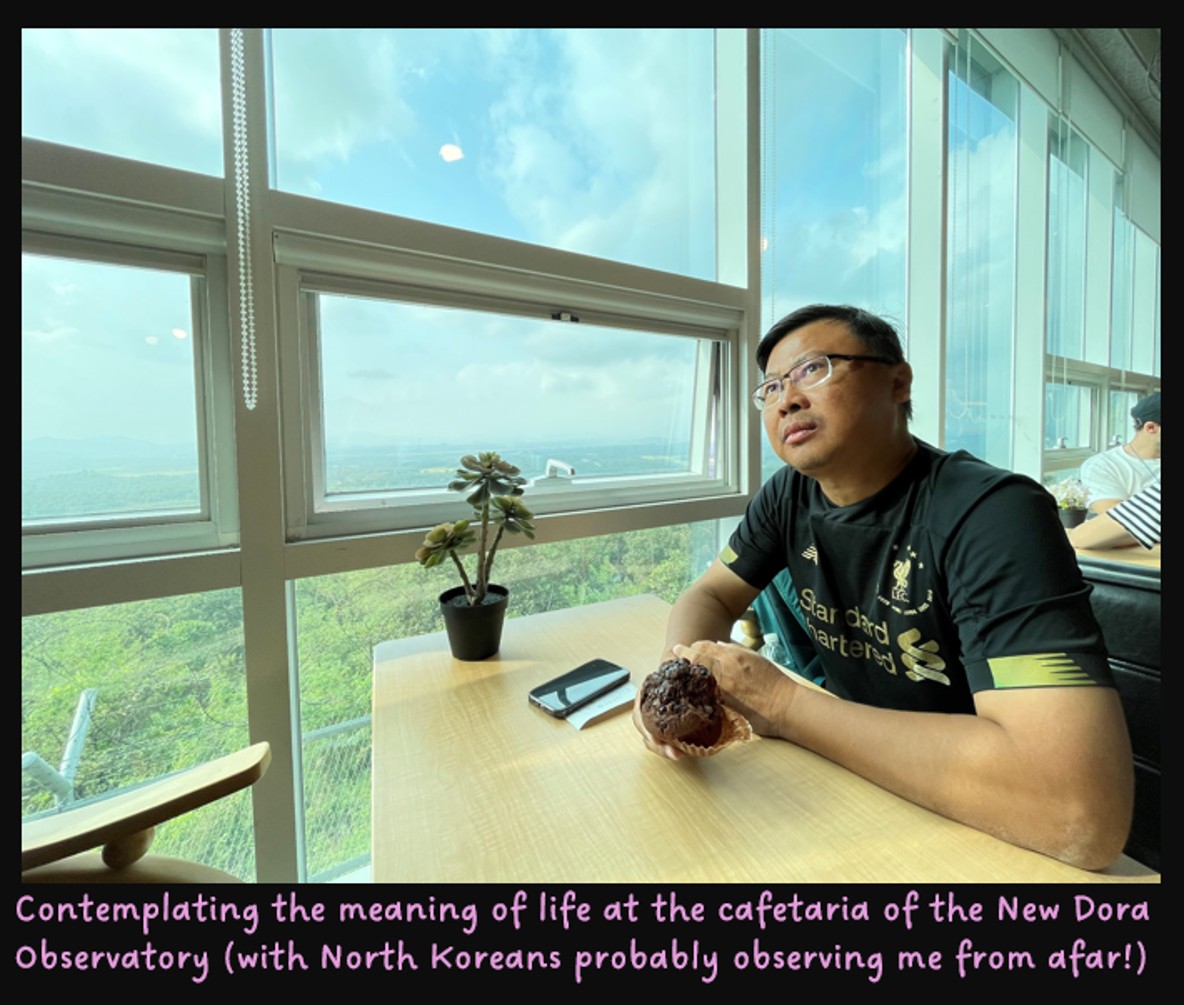
The bus took us to another section of the DMZ not too far away. The old Dora Observatory building has been decommissioned, and no longer open to tourists, since 2024. The purpose of the observatory was to allow people to view across the valley from the top of Dora Hill into the DMZ and into the North Korean side of the DMZ. At the new observatory, the most prominent thing we can see across the border is the 160m-height Kijong-dong Flagpole, once upon a time, the tallest flagpole in the world. Today, it is the 7th tallest.
Now We Know
According to Wikipedia, these are the current Top Ten tallest flagpoles in the world
- Cairo Flagpole in Cairo, Egypt 201.95m erected on 26th Dec 2021
- Flagpole 2 in National Flag Square, Baku, Azerbaijan 195m erected on 2nd Aug 2024
- Petersburg Flagpole in St. Petersburg, Russia 175m erected on 16th Jun 2023
- Jeddah Flagpole in Jeddah, Saudi Arabia 171m erected on 23rd September 2014
- Dushanbe Flagpole in Dushanbe, Tajikistan 165m erected on 24th May 2011
- Flagpole 1 in National Flag Square, Baku, Azerbaijan 162m erected on 1st Sep 2010
- Kijong-dong Flagpole in Kijong-dong, North Korea 160m erected in 1982
- Holy Defence Garden Museum Flagpole in Teheran, Iran 150m erected on 21st Sep 2012
- Wagah Flagpole in Wagah, Pakistan 135m erected in 2025
- Ashgabat Flagpole in Ashgabat, Turkmenistan 133m erected on 29th June 2008
According to the tour guide, it all started actually with North Korea building a modest flagpole. Seeing this, South Korea erected a taller one facing off with the North Korean one. In response, North Korea erected an even taller one, which triggered South Korea to also erect a taller one in an one-upsmanship competition. Finally, North Korea erected their tallest flagpole surpassing all others in the world, which is the current one on display. They held the title for many years, before other nations erected even taller ones.
Back to the City
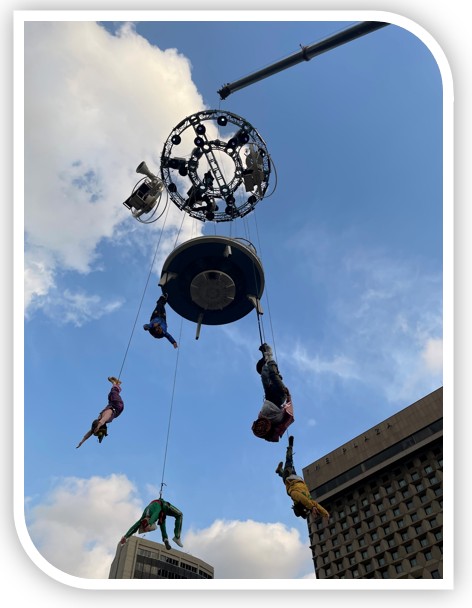
The bus took us back to Seoul in time to see the city winding down and its people enjoying the Saturday evening activities. At one of the open field parks a stage had been set up and the was a live show with some local talents dancing and singing and entertaining the crowd. Although we didn’t understand a thing, just being there and enjoying the festivities was fun enough. The band that was providing the music was lifted up into the air, each instrument having their own individual platforms by a mobile crane, which added to the surreal feel. From these same platforms, some of the performers did some acrobatic stunts as they hung in the air on ropes.
When hunger called, Wifey and I ended up at a Michelin-Guide ginseng chicken restaurant nearby, one of the many that dot Seoul. Ginseng chicken is one of the must try food in Seoul. Ginseng is a plant that has supposed benefits in boosting the immune system, boosting strength and improves blood circulation. Generally, only the root of the plant is used in cooking, and together with chicken, forms a tasty broth which goes well with rice.
Summary of Day 7
The DMZ is not exactly a tourist attraction, but somehow, the powers-that-be have managed to turn a morbid historical event into a must-go destination if you have some time to spare in Seoul. To be fair, how often can a normal person say that they’ve been to a war zone and survived to tell the tale? Perhaps due to the secrecy and the tension that still exists today between the two neighbours, many details of the tour are left out or omitted on purpose. Prohibition of photography and movement also meant that there were some parts we are not meant to visit or see. Still, I am grateful for this experience – there is so much to discover and learn.
The following day would be spent on the road and in the air, hence, nothing much more to write about. Therefore, we will close out the adventure to Seoul and Jeju Island here.
Adventure Close Out
Now that I am sat back at home writing about this adventure on Seoul and Jeju Island, I feel that there could have been so much more to the adventure than what we had throughout the trip. It felt like we were not fully prepared and that’s why doing prior research was so important. We did cover most of the places in these two locations, but we did not fully immerse in the adventure. The Hallasan Park on Jeju Island was one such place we could’ve done more.
The fact that we missed out on the full experience of the first day had hung over us as well, and there was a moment when I thought I wouldn’t be able to go to Seoul at all. We’re grateful that this trip did eventually materialise almost in full. Anyway, my disappointment and missing out on so much of this trip hopefully serves to remind me to prepare better for my future trips so that you readers may also be able to extract the most out of my writings for your own adventures. As usual, get out there and make your own stories… Happy adventuring!