DAY 6 (29th September 2023) – SEOUL (Bukhansan National Park)
For some reason, there were no photos taken either by Wifey or by me from the time around 1:31pm until 7:30pm. This is strange, and because at the time of writing, this adventure happened more than two years before, so I cannot remember where that time went – maybe we got sucked into some time warp (Bro Ray: I have to record my future trips down more thoroughly so that this does not happen again!)
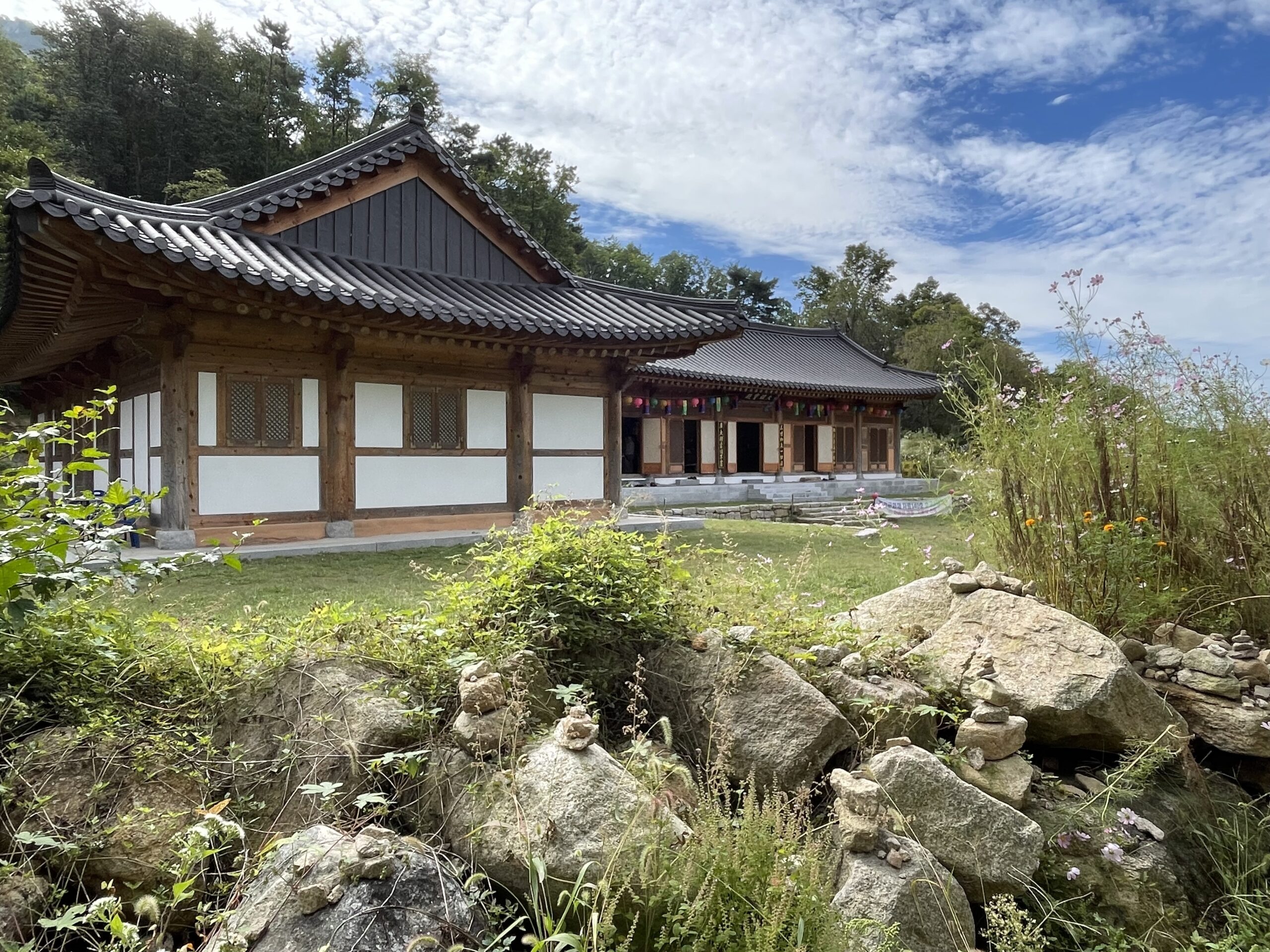
We went to the Bukhansan National Park, located in the northern part of Seoul. The park was established on 2nd April 1983, containing a vast forested area, several granite peaks and some temples. Bukhansan means “mountains north of the Han River”. We spent half the day here, hiking along the constructed paths leading to some of the prominent areas of the park.
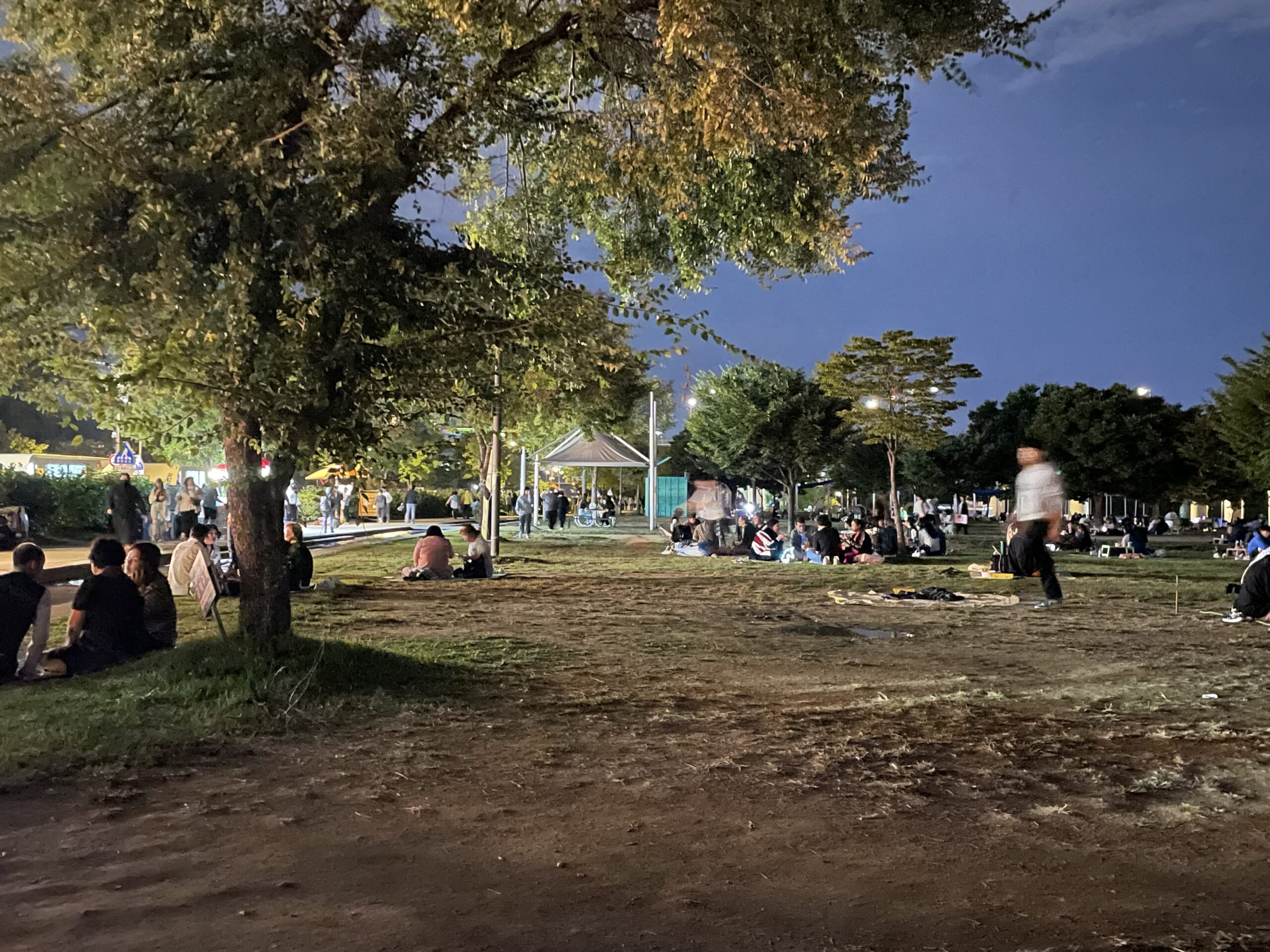
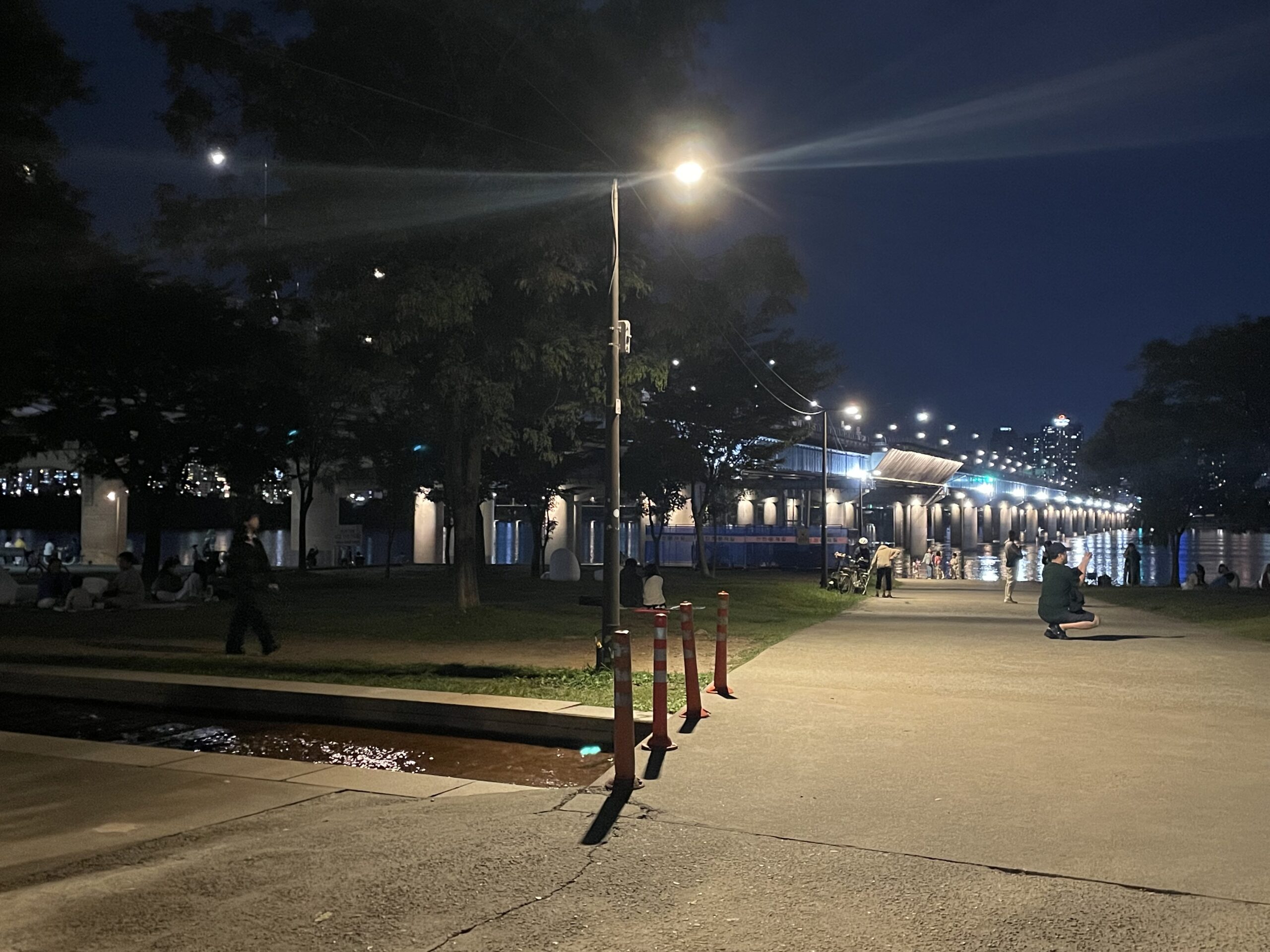
Later that evening, we took the metro to the riverside, where hundreds of people gathered there to buy food to share ala picnic-style. The large grassy area was filled with people of all ages, with food either prepared at home or bought from the numerous stalls set up in the area. After the dinner, Wifey and I attended an English-speaking church service in the immediate vicinity.
Bukhansan National Park
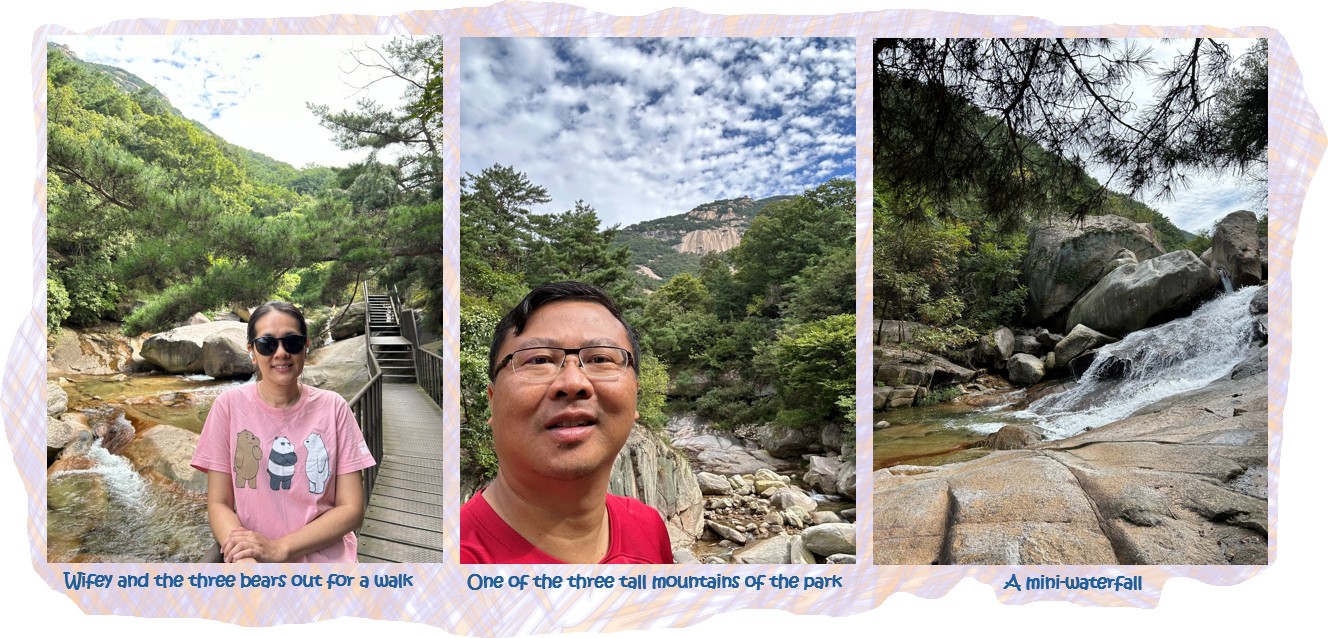
Due to its proximity to the capital city, it is no surprise that this turned out to be a popular hiking spot for those who want to take a day off to just de-stress or to chill. The park has many trails within, and to preserve the place, the trails are routinely closed to allow nature to heal and reclaim some of her turf. (Bro. Ray: Another excuse to come back to Seoul then). The three main peaks within the park are the Baekundae (2,744ft), Insubong (2,659ft) and Mangnyeongdae (2,623ft), collectively called “Bukhan”.
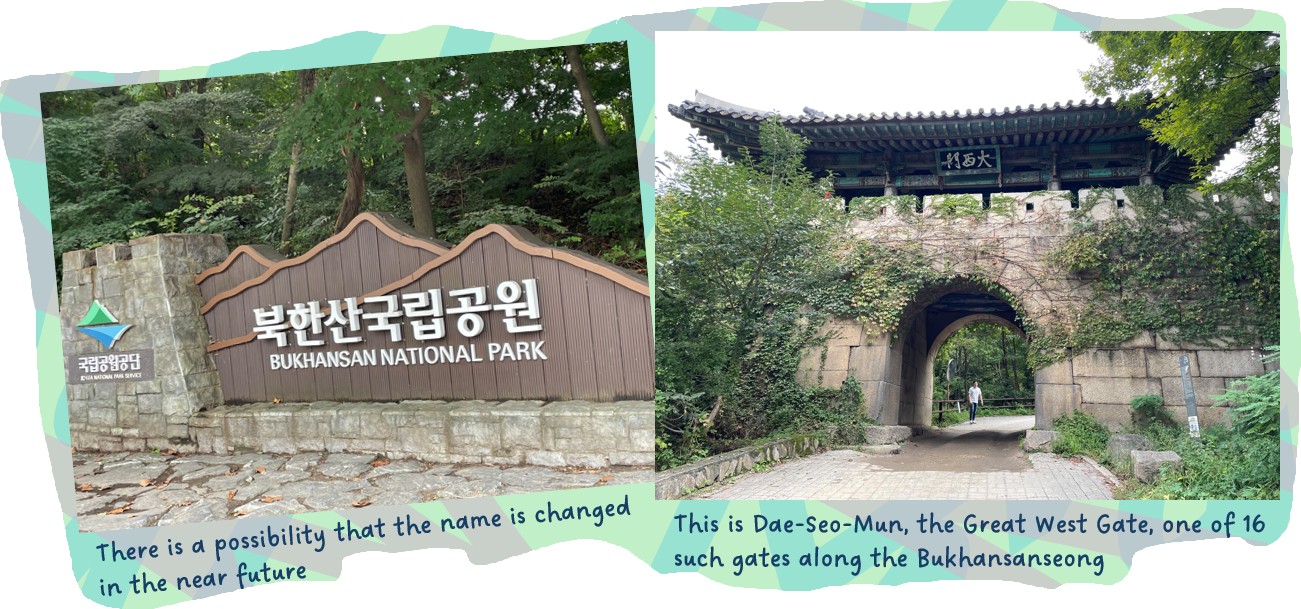
Actually, “Bukhan” also means North Korea, but the entirety of the park and its surrounding area are obviously located squarely on the South Korean side of the border. And the park does have an original name – Samgaksan. Hence, it is no surprise that there is a movement among the local populace to change the name of the park back to its original name, both as a deference to its old name and to prevent confusion with North Korea.
Within the park also, is the Bukhansanseong Fortress, which is a combination of long stretches of solid stone wall with gates at various places along the wall. The wall was completed around 1711, having taken decades to build, mainly to protect Seoul against invaders from the north of the peninsula. One of the gates (Dae-Seo-Mun) now serves as the entrance to the park.
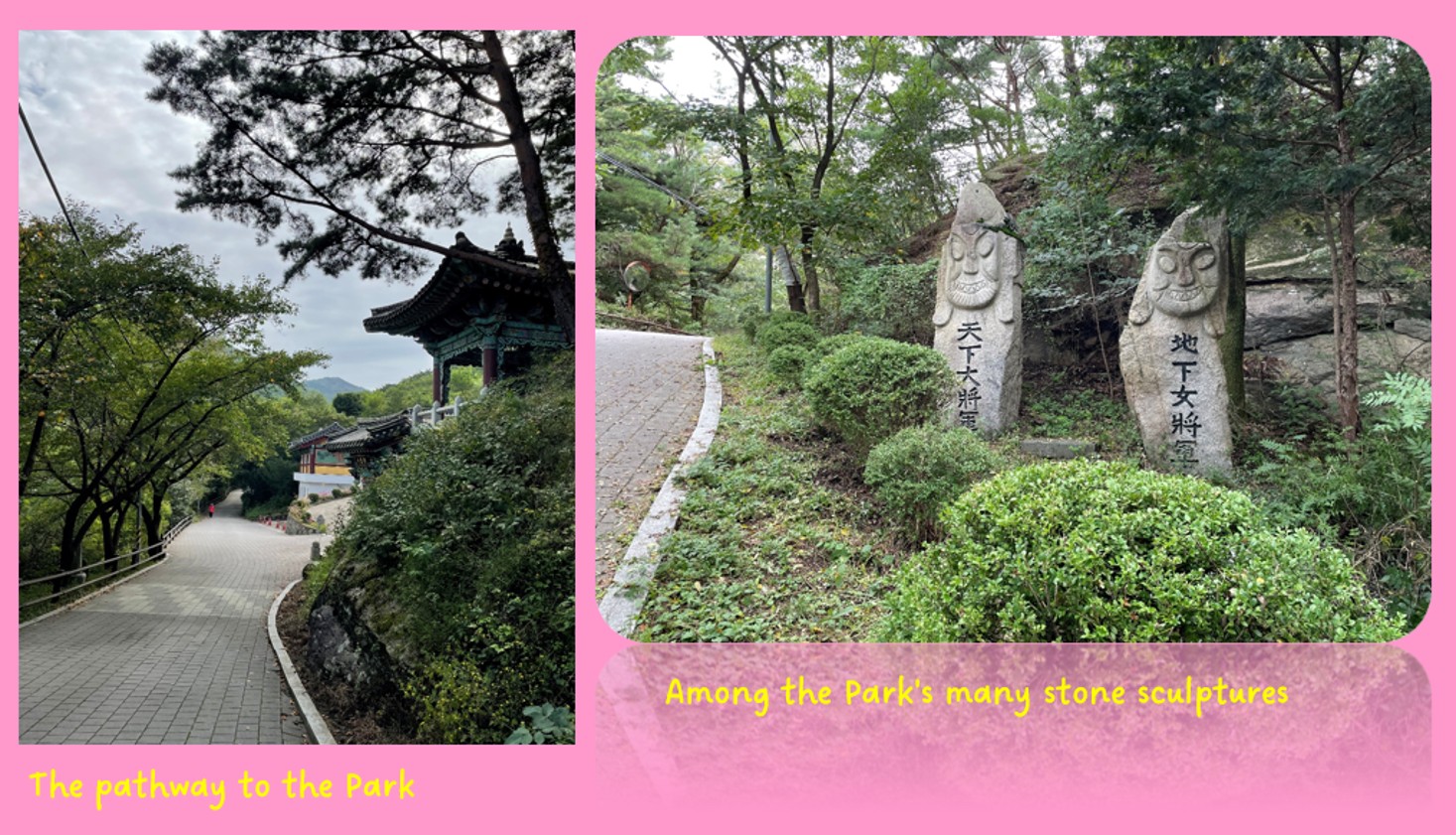
The paths at the beginning of the hike are easy enough to walk on – well-built and well-maintained brick pathways, which are very welcoming to any visitor – to a certain extent, even wheelchair-friendly. The overhanging trees and higher altitude of the entire place meant that the air was naturally cool and the walk pleasant.
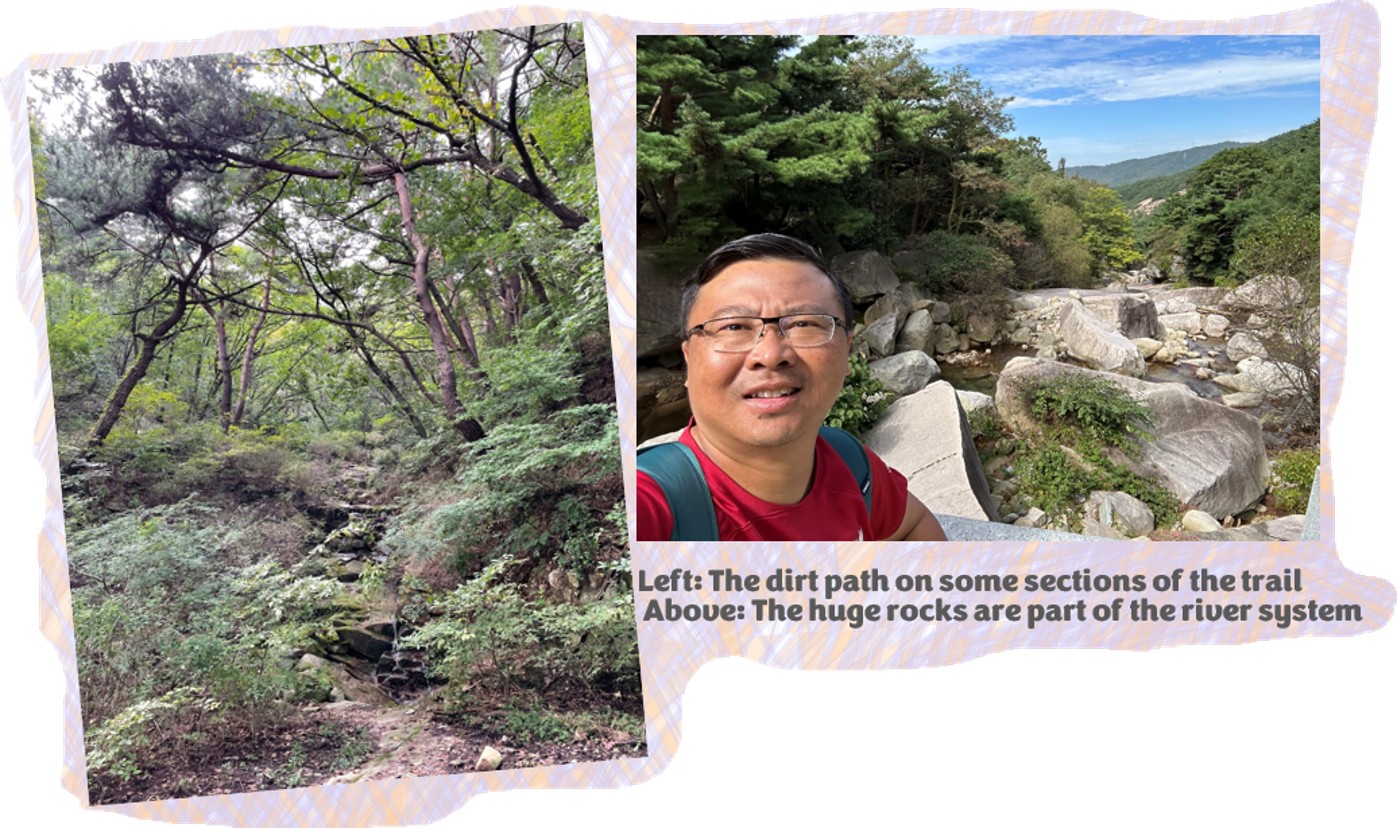
I can’t recall the name of the trail we took, since there are several. We just kinda followed the trail that was in front of us and which had the most number of other hikers. The trail alternated between constructed paths and dirt paths depending on the terrain. There was a bridge along the trail which was built over a stony river below. Along the trail were also some old houses that were built years ago, but no indication if anyone lives in them today. This park used to be the sanctuary of the royals, too, in ancient times….
Lunch in the City
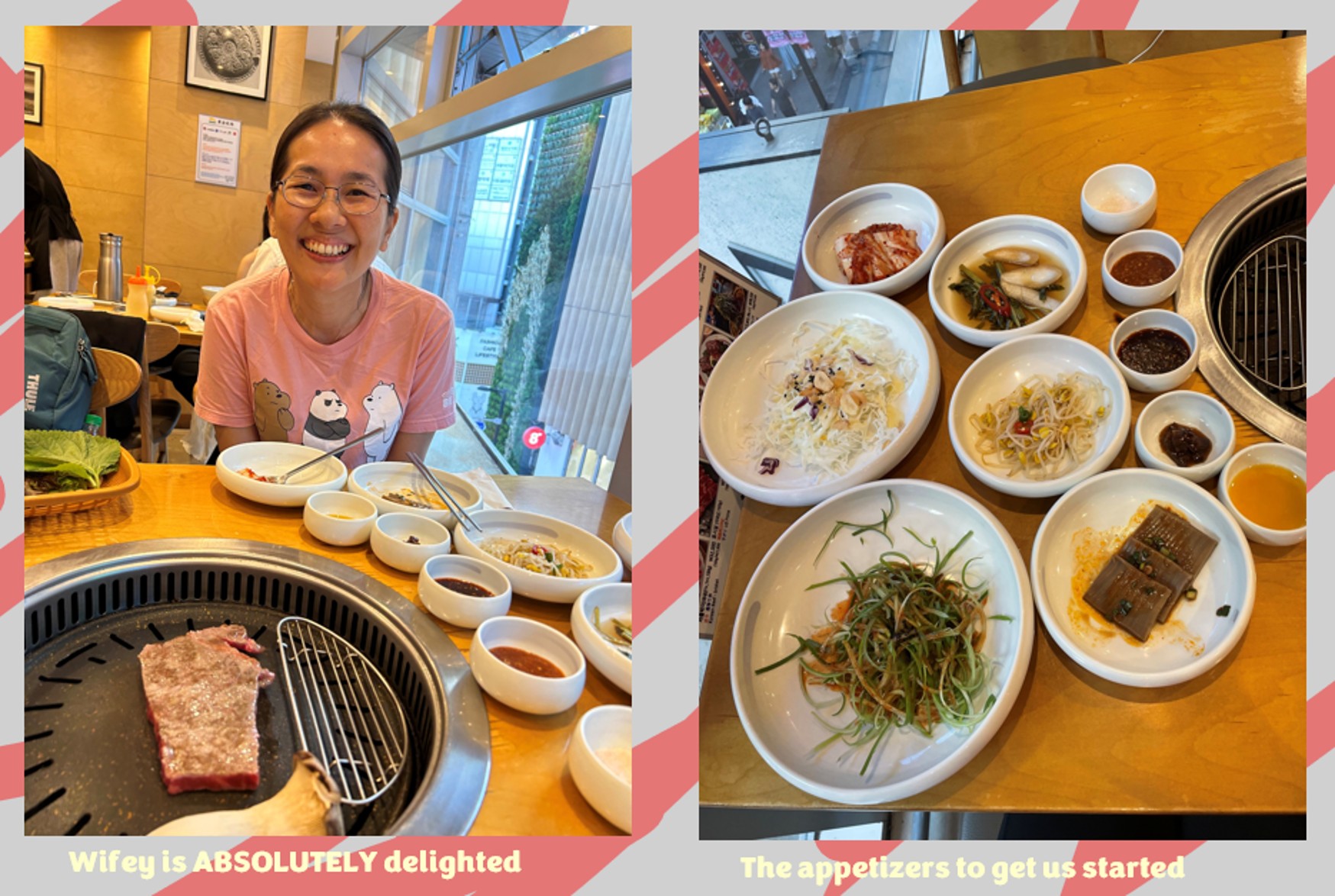
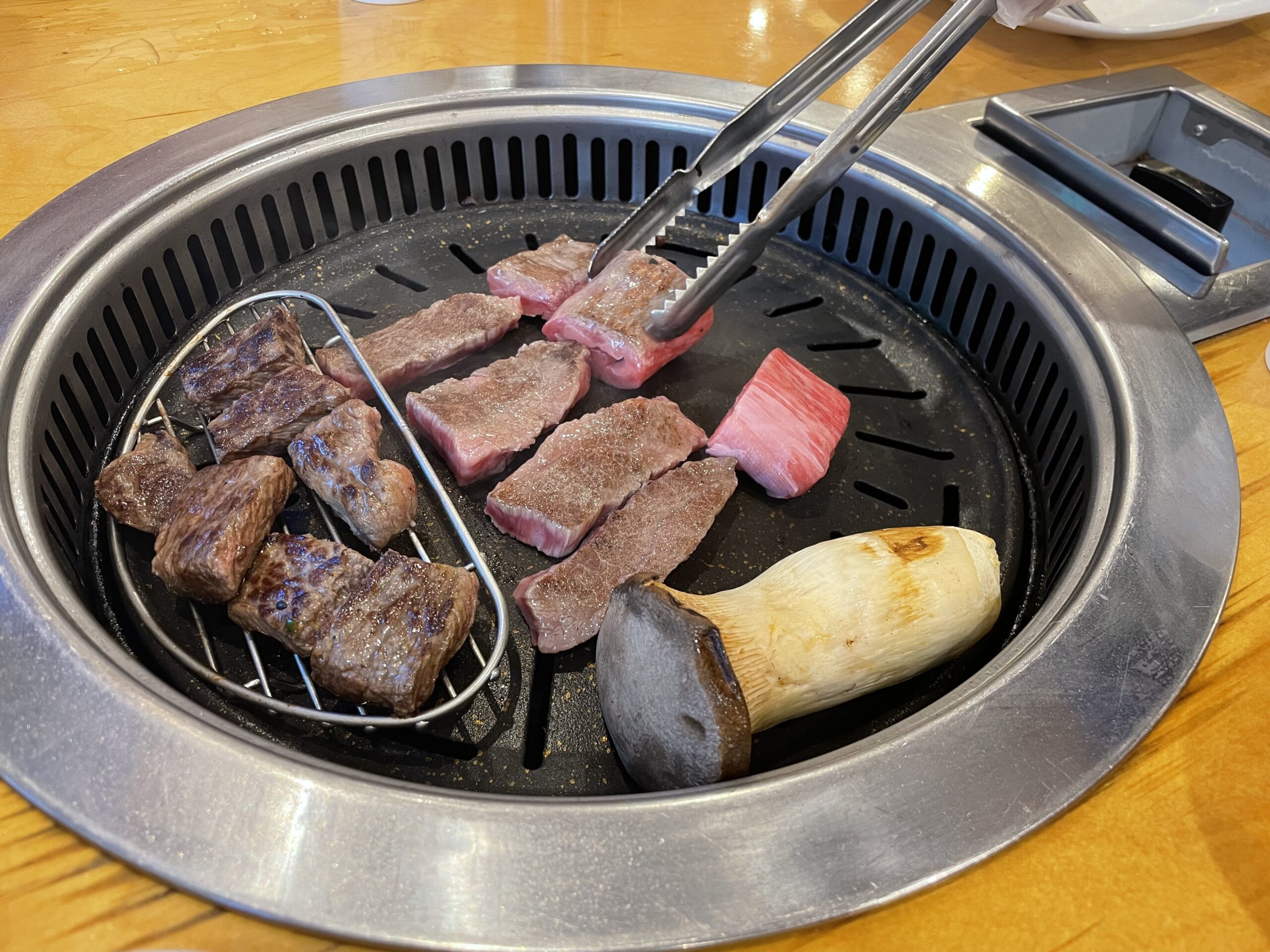
Our appetites were heightened by the good workout during the hike in the park, and so, we headed back into Seoul for lunch at this well-known Korean BBQ restaurant – The Golden Farm, located not too far from the hotel that we were in. Although the food served can be viewed as “standard Korean BBQ fare”, the experience and the taste of the food was something different.
Night Walk
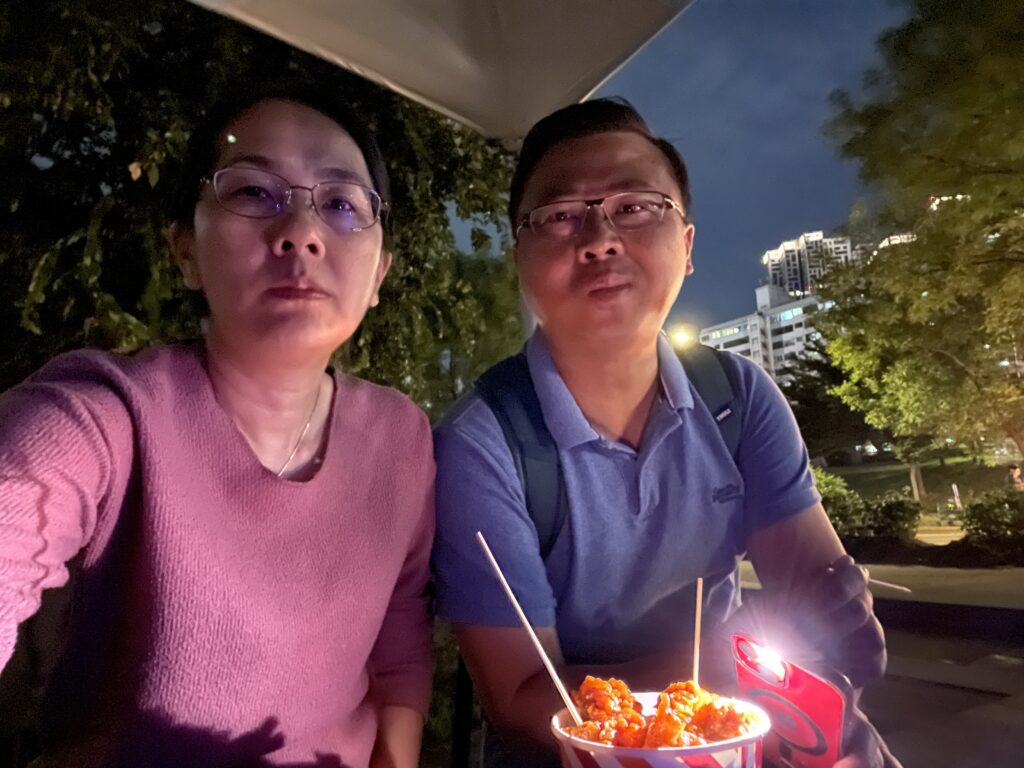
Since it was our penultimate full day in Seoul, I am guessing that we spent the afternoon just going around shopping for gifts to bring back home, hence probably why there were no photos taken throughout the early afternoon. By nightfall, we were on the metro to the riverside park, where peoples of all ages were gathered to enjoy the cool early autumn night. You could hear the giggles of children, some running around, while the young adults were chitchatting or listening to the latest music hits, and general cacophony of chatter and laughter.
There were food trucks selling all kinds of street food along the paved walkways of the park. Many probably gave themselves a day off from cooking and allowed themselves to indulge in the variety of foods available. Many also brought out their picnic mats and just sat on the grassy spaces of the waterfront park, with the Han River providing the backdrop to the place.
The Han River is a mighty river that flows right through the heart of the city, ending in the Yellow Sea. Where we were, the Mapo Bridge towered above us, one of 29 bridges which span the Han River. The Han River has had many names attributed to it depending on the dynastic periods and activities which occurred throughout its storied history.
Summary of Day 6
The highlight of Day 6 has to be the Bukhansan National Park, although by no means the most beautiful park we’ve ever been to. Still, to be able to just spend the morning walking around the well-maintained park without any strict schedules or timelines, meant that it was pretty relaxing for us as we tried to soak in as much of South Korea as possible before we headed home. My only regret was that we did not prepare ourselves well enough to really explore the park and visit the other parts of the park.
I could also probably say the same about the picnic at the park. If only we had prepared a picnic mat to enjoy the night time scenes and spend more time along the Han River.