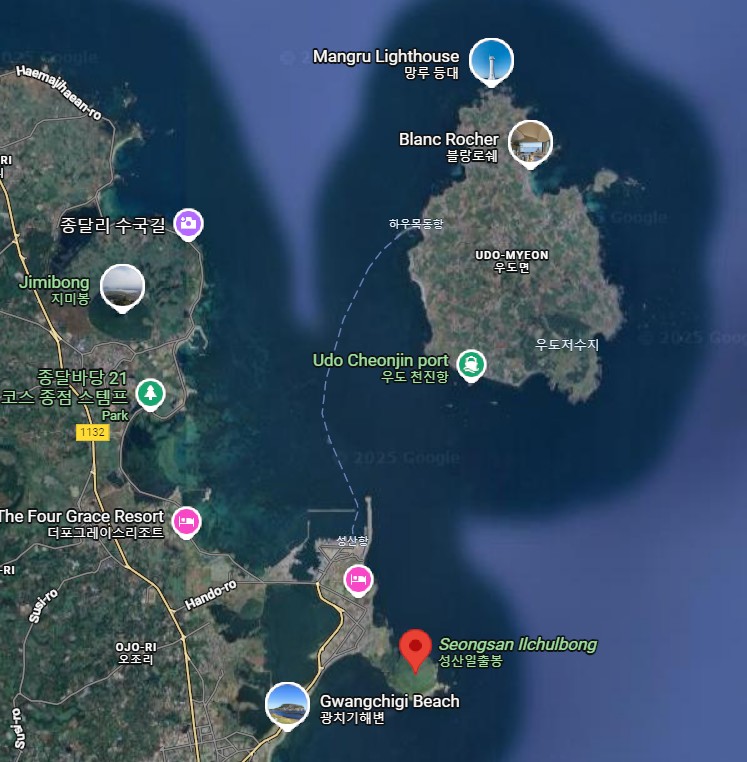
DAY 3 (26th September 2023) – JEJU ISLAND (Udo Island and Seongsan Ilchulbong)
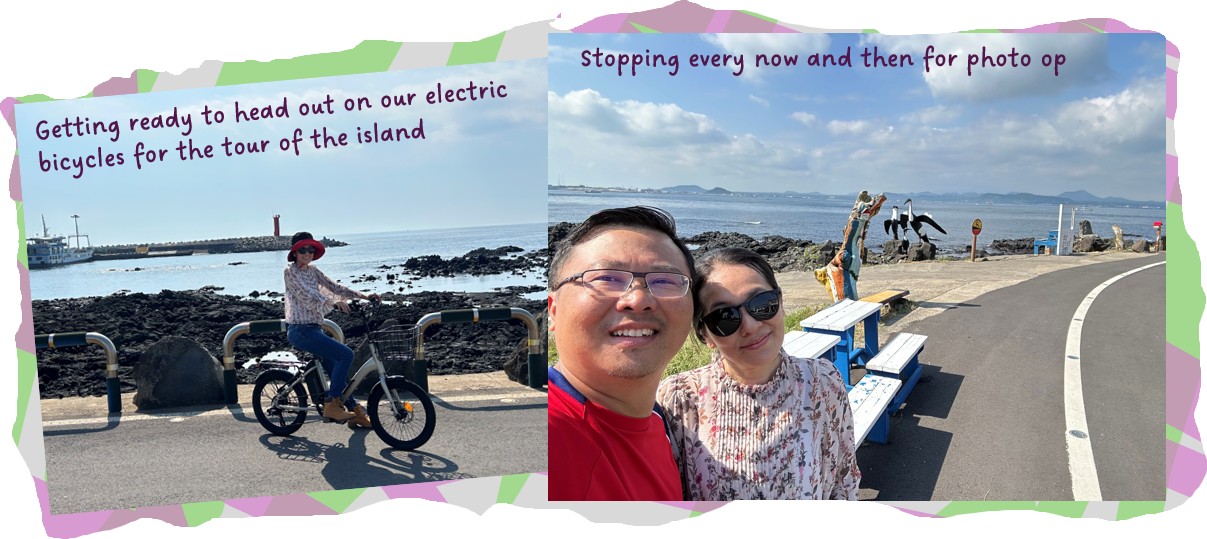
So, by now, we were quite settled after the excitement that started the trip. We were now more focused on getting the most out of the places we were gonna visit and this day threw up a different experience. It had been quite a while since Wifey and I did any cycling together, but Udo Island, just off the east coast of Jeju Island, permits very few motorised vehicles, hence electric bicycles were the way to go.
The roads around Udo Island are well-paved, and the coastal roads are relatively flat. But where there are any slopes to ride up, the electric bicycle provides the little push to get you up and over with minimal effort. The island is famous for the lady divers who go into the sea almost all-year round in all seasons to search for all kinds of sea food. This tradition has been passed down for generations.
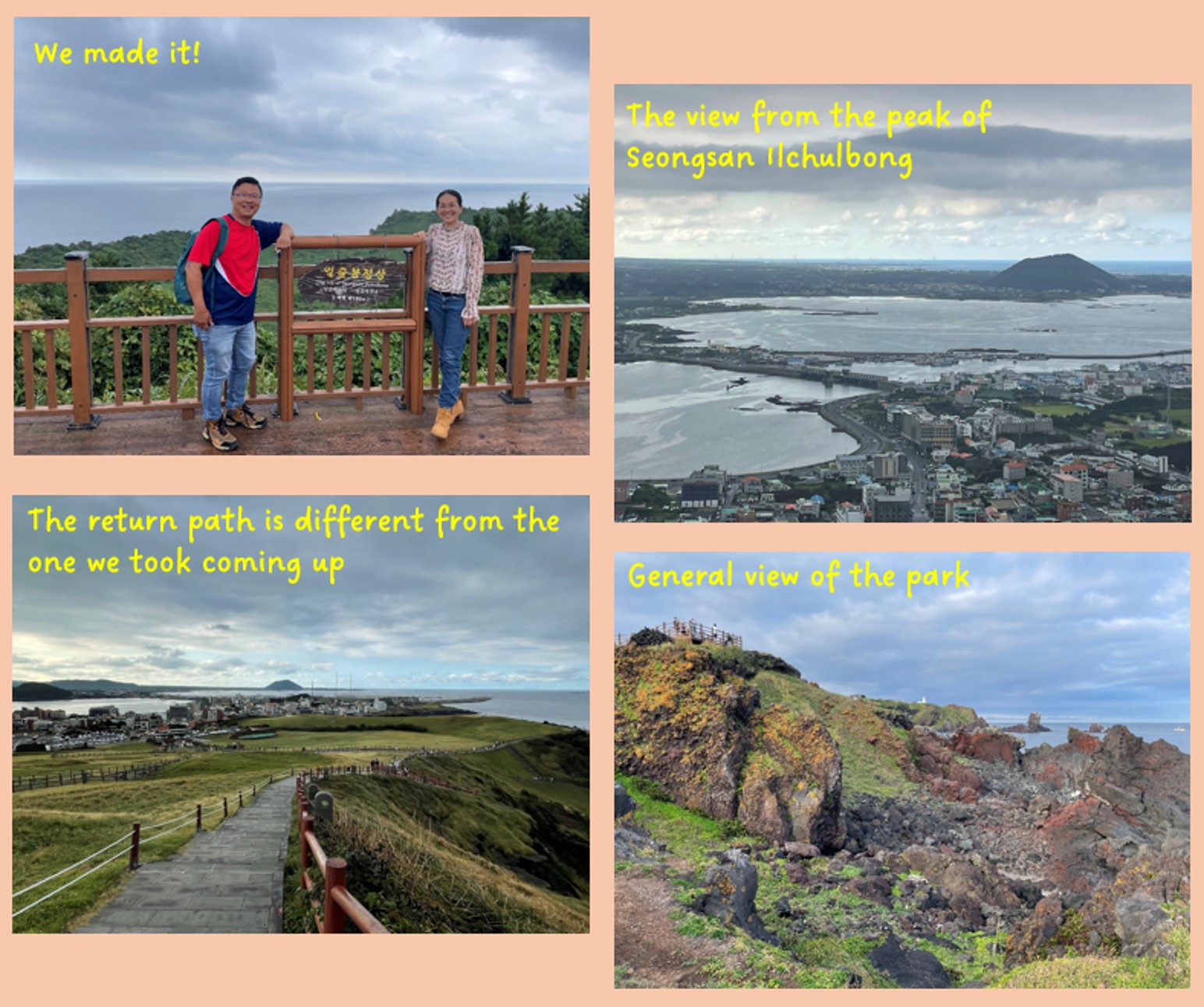
After returning to Jeju Island, we took a short drive through an isthmus connected to a dormant volcano known as Seongsan Ilchulbong Marine Provincial Park. It stopped erupting over 5,000 years ago, and is today one of the most visited sites in South Korea due to its natural beauty and often touted as the first place to see a new sunrise in the whole of South Korea. Wifey and I made the short trek to the top, from where we could view the bay area of eastern Jeju Island.
Udo Island
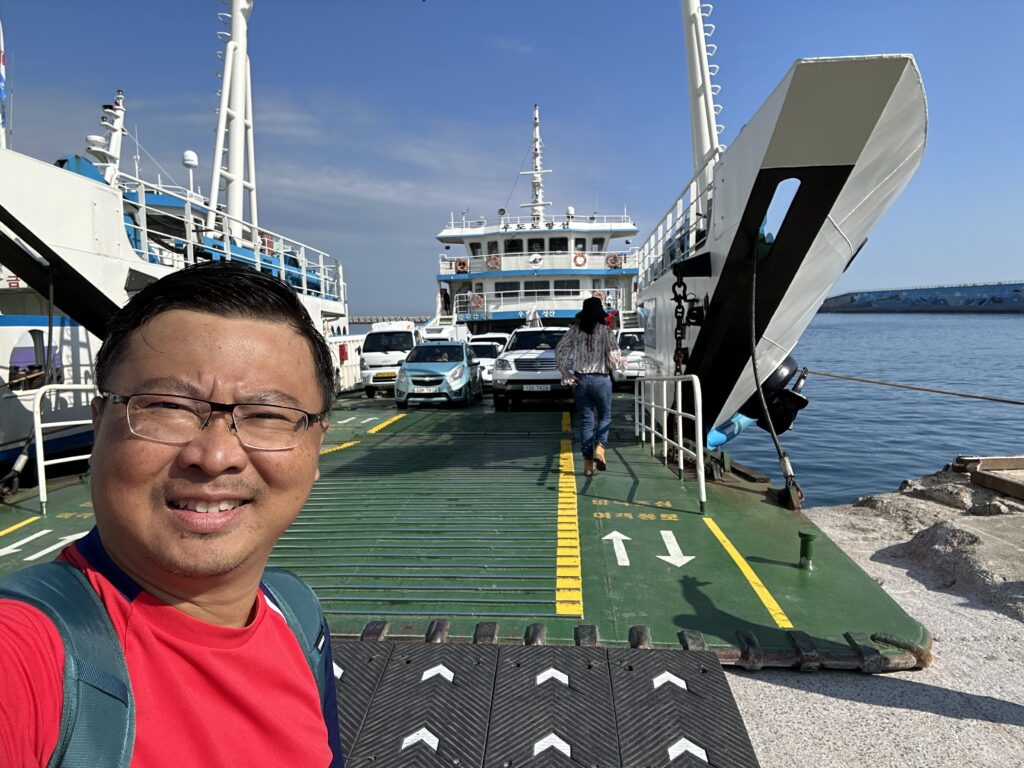
Getting ready to board the ferry
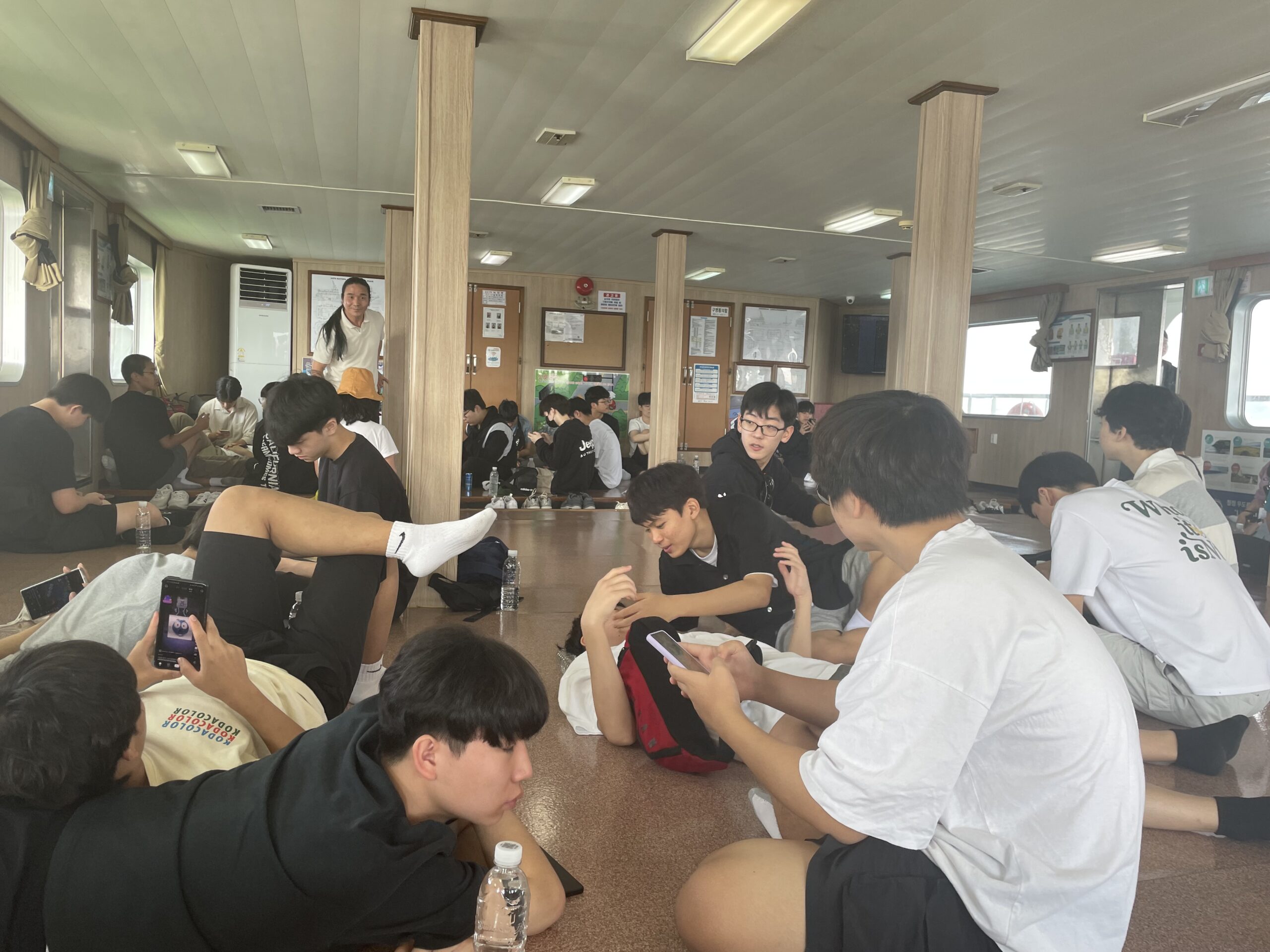
Everyone just chillin'
More than 2 million tourists visit Udo Island every year. The short and frequent 2.8km hop via ferry from Seongsan Port makes the island accessible for touristss near and far. Udo, or sometimes called Soseom, both mean “cow” due to the shape of the island resembling a cow lying down. Lacking natural springs or rivers, the island depends entirely on rain water for its fresh water needs. Obviously, this is enough, as the island, predominantly flat terrain, is an agricultural island. Only 1500 people live here on the island, living mostly on farming and foraging for reources from the sea.
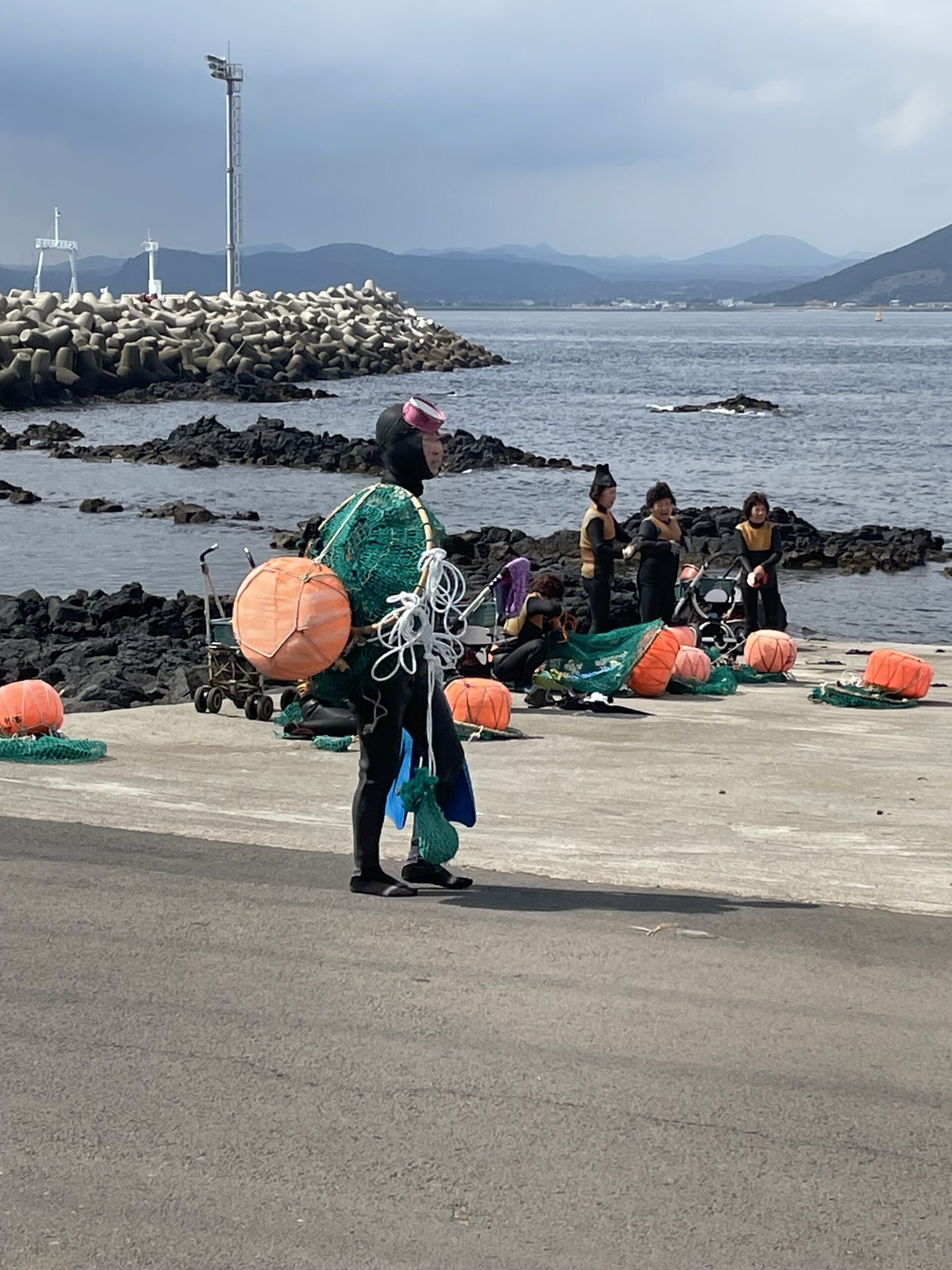
The island is famous for the Haenyeo, lady divers who go out among the shallow reefs off the coast of the island to forage and hunt for fish, snails, abalone, sea cucumber, seaweed, lobster and whatever else they could get their hands on. They normally go out in groups and due to their daily habit of doing so, they have become very adept in staying underwater without any breathing apparatus for long periods of time. And they do so almost all year round, including during the winter months, especially with the availability of the common diving wetsuits. This tradition is slowly dying, however, as many younger ladies are now more educated and seek better opportunities in the cities. Over 98% of the existing group of Haenyeo today are 50 years old and above.
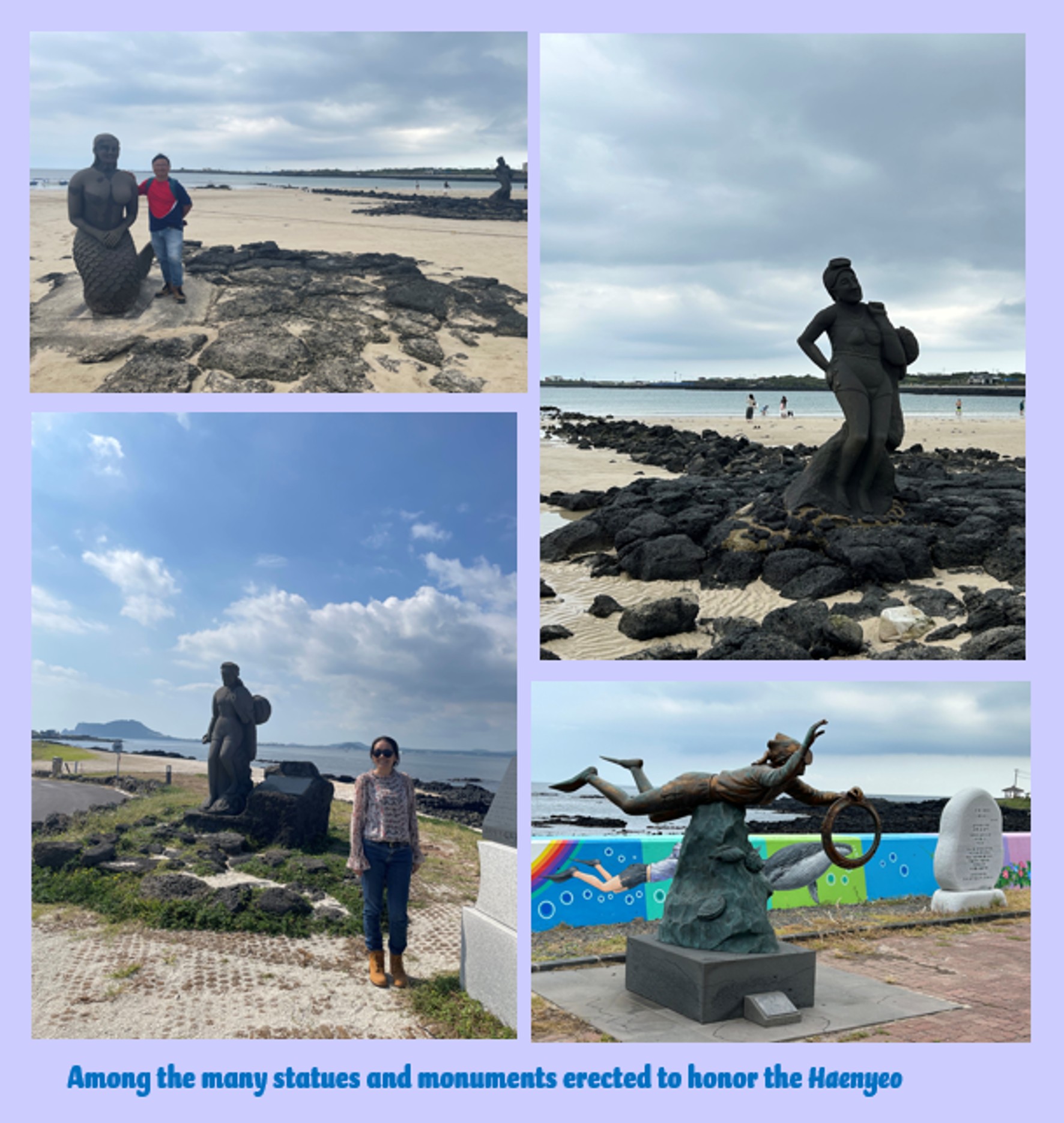
As we cycled along, we noticed that there were many structures and monuments built to honour the Haenyeo. In fact, the UNESCO has listed this as one of the Intangible Cultural Heritage in 2016. There are several bronze and stone sculptures along the road around the island, and they are not difficult to spot.
Here they are, the legendary Haenyeo, in their wetsuits, getting ready for a day out at sea
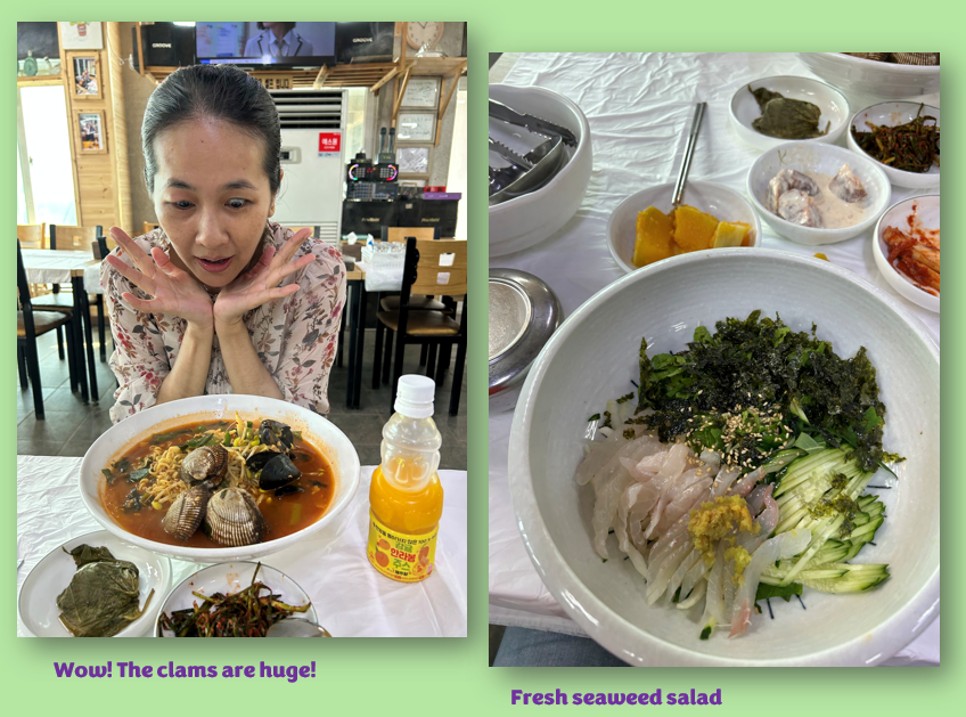
Some of the more enterprising ladies have set up restaurants along the road, serving the very food that they have managed to gather from the sea. We stopped at one of these to have our lunch. You really can’t say that the food is not fresh!
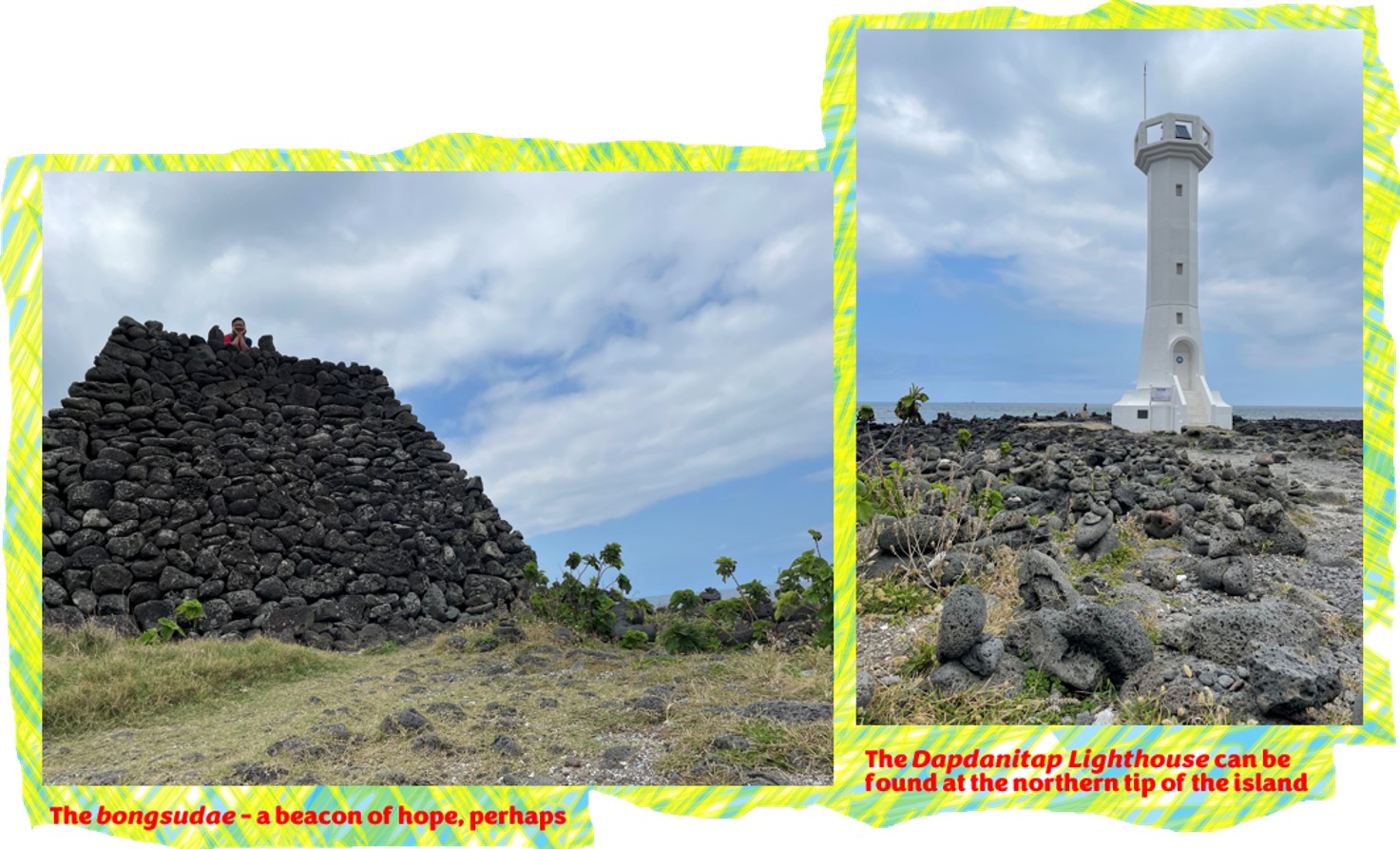
As we cycled on around the island, we came across some other monuments and buildings. One of them, the Dapdanitap Lighthouse, located at the northern most tip of the island. However it is locked and not open for the public. And standing next to it, is an ancient stone mound, used during the Joseon dynasty period as a communication beacon, known as bongsudae.
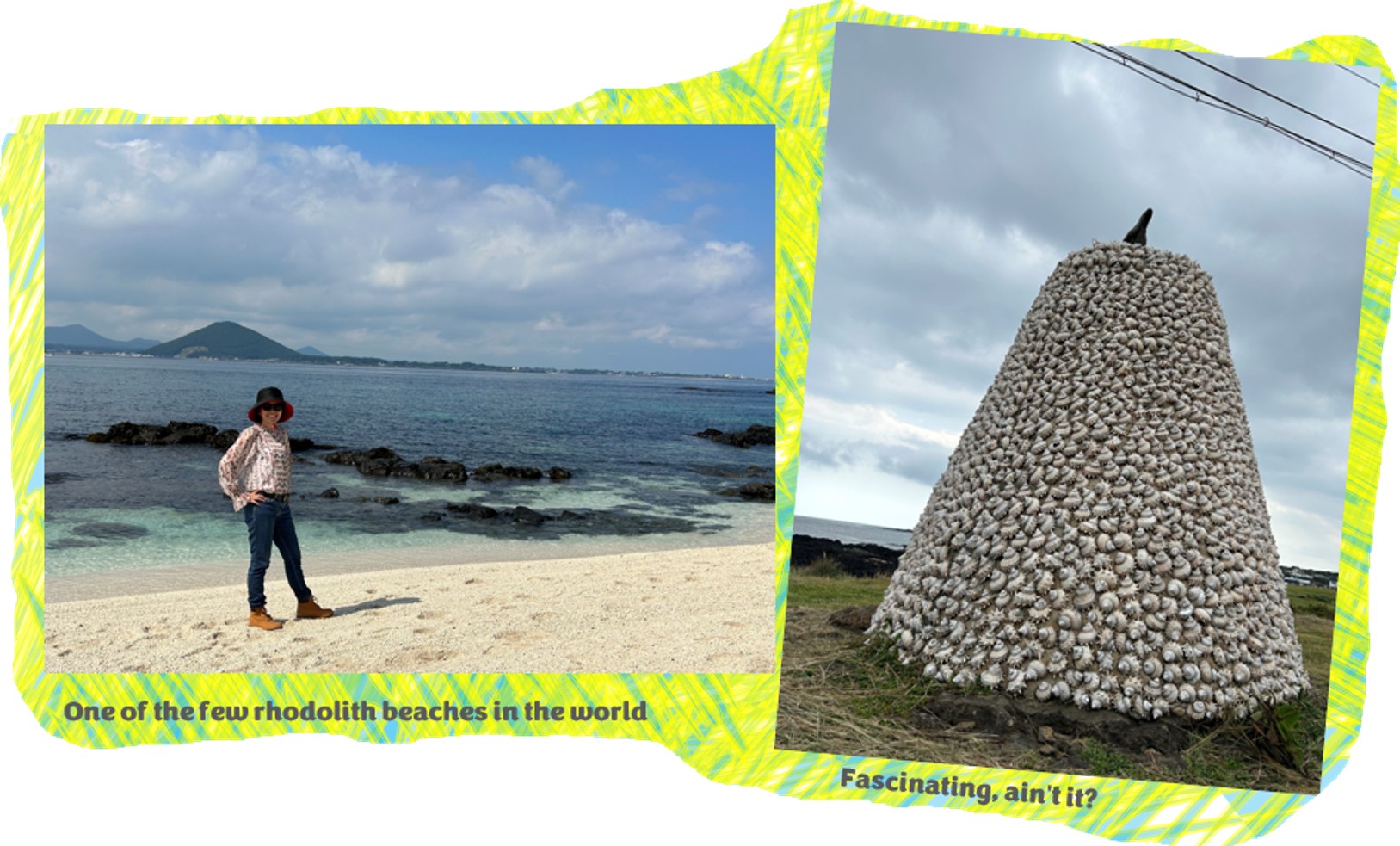
Then we discovered also the rhodolith beach named Seobin Baeksa Beach, a one of its kind wonder of the world – this is the only one in Asia. The beach is white in colour, but the “sand” is not exactly the granular sand in the normal sense of the word. It is actually calcified red algae, brought up from the bottom of the sea and deposited on the shore over thousands of years. It is a protected area, but we are allowed to go onto the beach.
Further down the road, as we rounded the island, we came to the eastern side of Udo Island, and there is an even smaller island connected by a manmade causeway, named Biyangdo Island. At the entrance of the causeway, there is mound that was covered with turban shells. It probably signifies something, maybe the abundance of turban shells in the area? Well, it is quite unique!
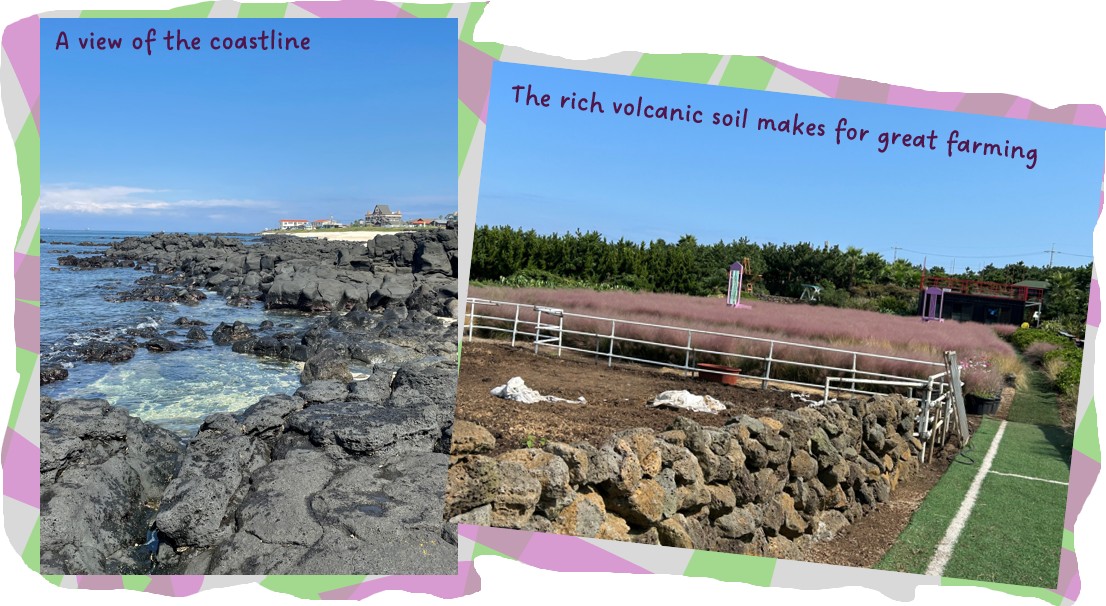
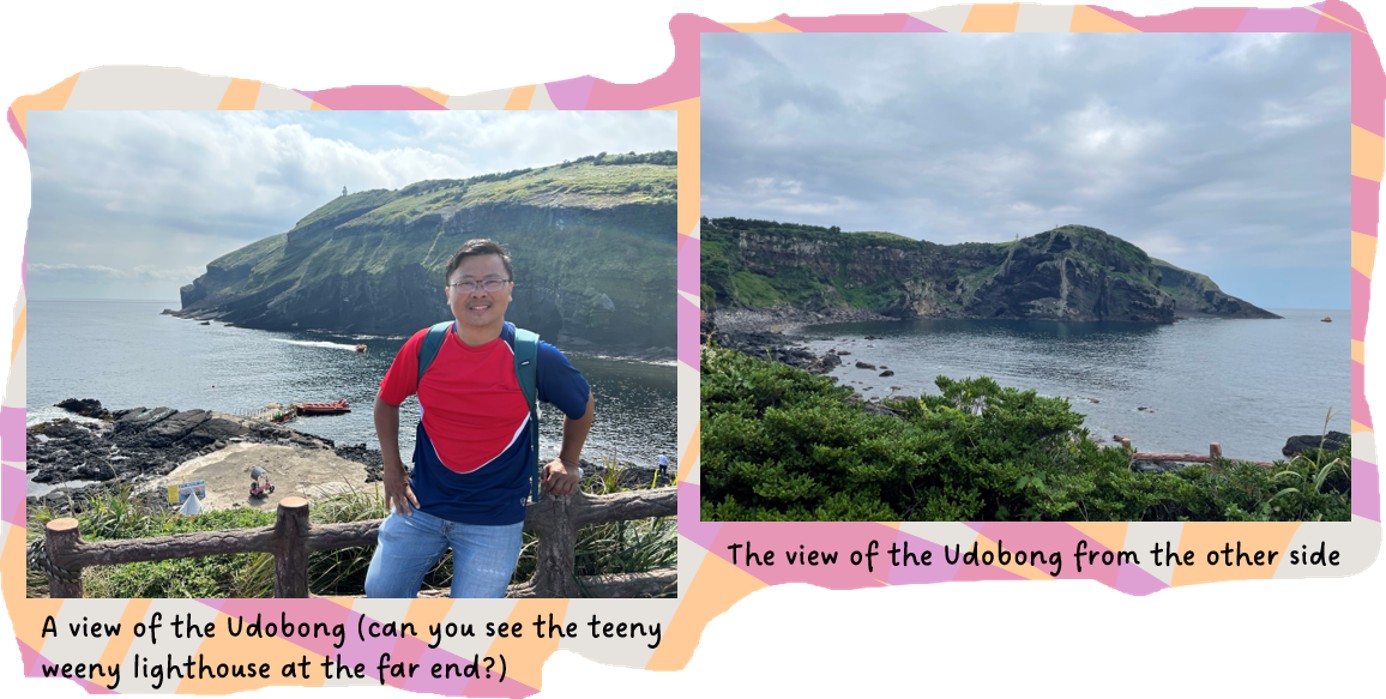
As we headed toward the southeastern coast of the island, there is a famous place called Udobong, or also known as Someori Oreum which is a dormant volcano. This area is a park and has its own lighthouse at the peak. The headland at Udobong is supposedly where the head of the cow is at. We didn’t walk up to the lighthouse, as it was too long a walk having to leave our bikes unguarded for too long. The surrounding hills overlook into a small bay which is where Geommeolle Beach is located, a small, black sandy beach.
Seongsan Ilchulbong
By 3:00pm in the evening, we were back to Jeju Island, and we made a beeline to the Seongsan Ilchulbong Marine Provincial Park, not too far away, where the namesake dormant volcano stands. It is also known as Sunrise Peak, since this is located almost at the easternmost part of Jeju Island. The park is a UNESCO Natural World Heritage Site. Formed several thousand years ago, today what we can see is a shallow bowl-like shape top, the rim of which is 600m across and 90m above sea level. The insides is overgrown with grass. Once upon a time, this peak was separated from the island, but over the years, the sediments that settled between the mountain and the island created the land bridge which is now part of the park.
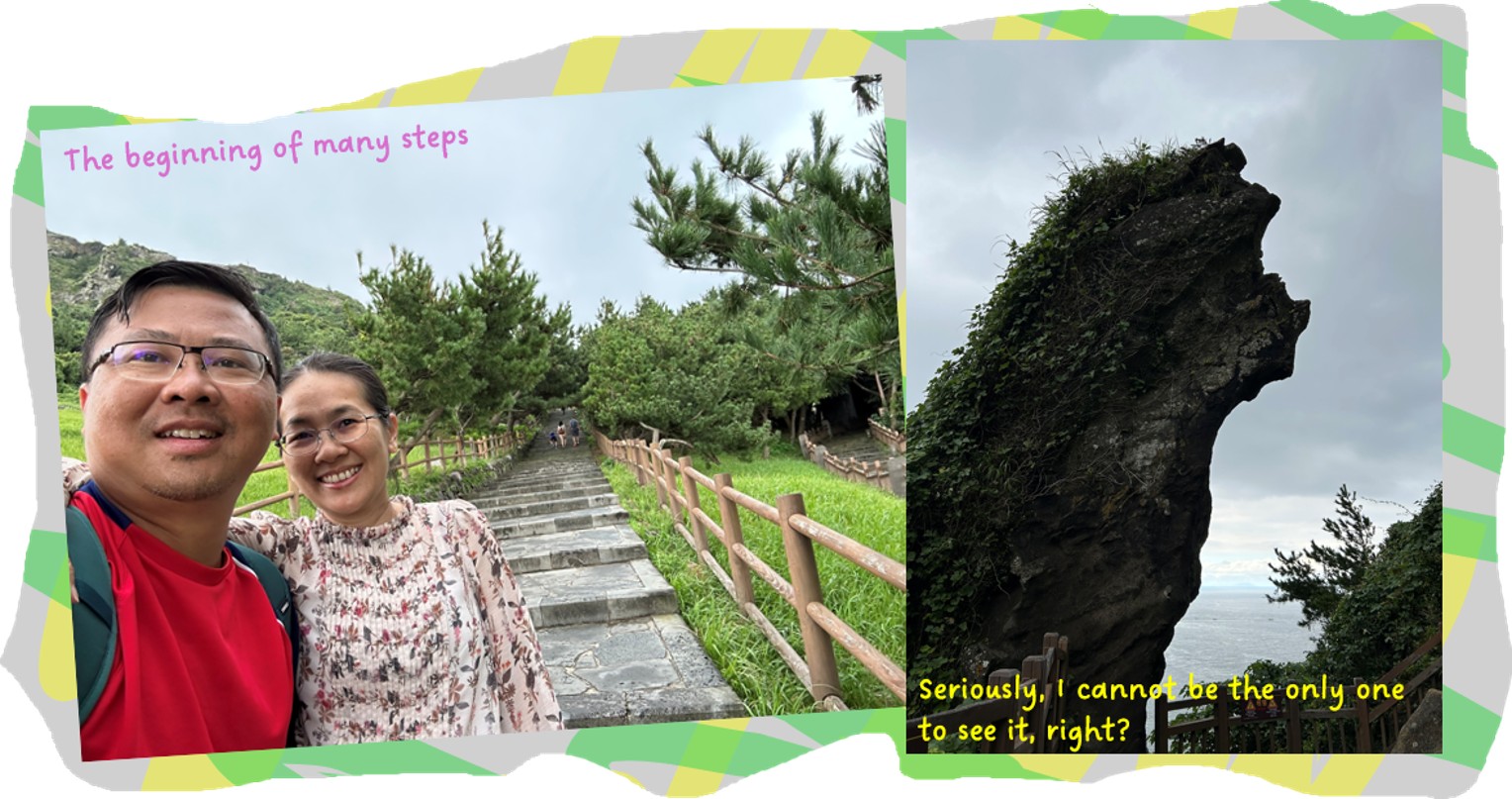
We arrived at the park and decided to take our time to hike up the many stone and wooden steps to the top, where we could view back down at the village, as well as to Udo Island and the Hallasan National Park. More than 1.4 million visitors came to the park in 2022, and is a popular destination for Koreans and foreigners alike. Along the way to the top, stands a rocky outcrop known as the Lamp Rock, or Deung Gyeong Dol, which resembles an ancient lamp. To me, it looked like something else….
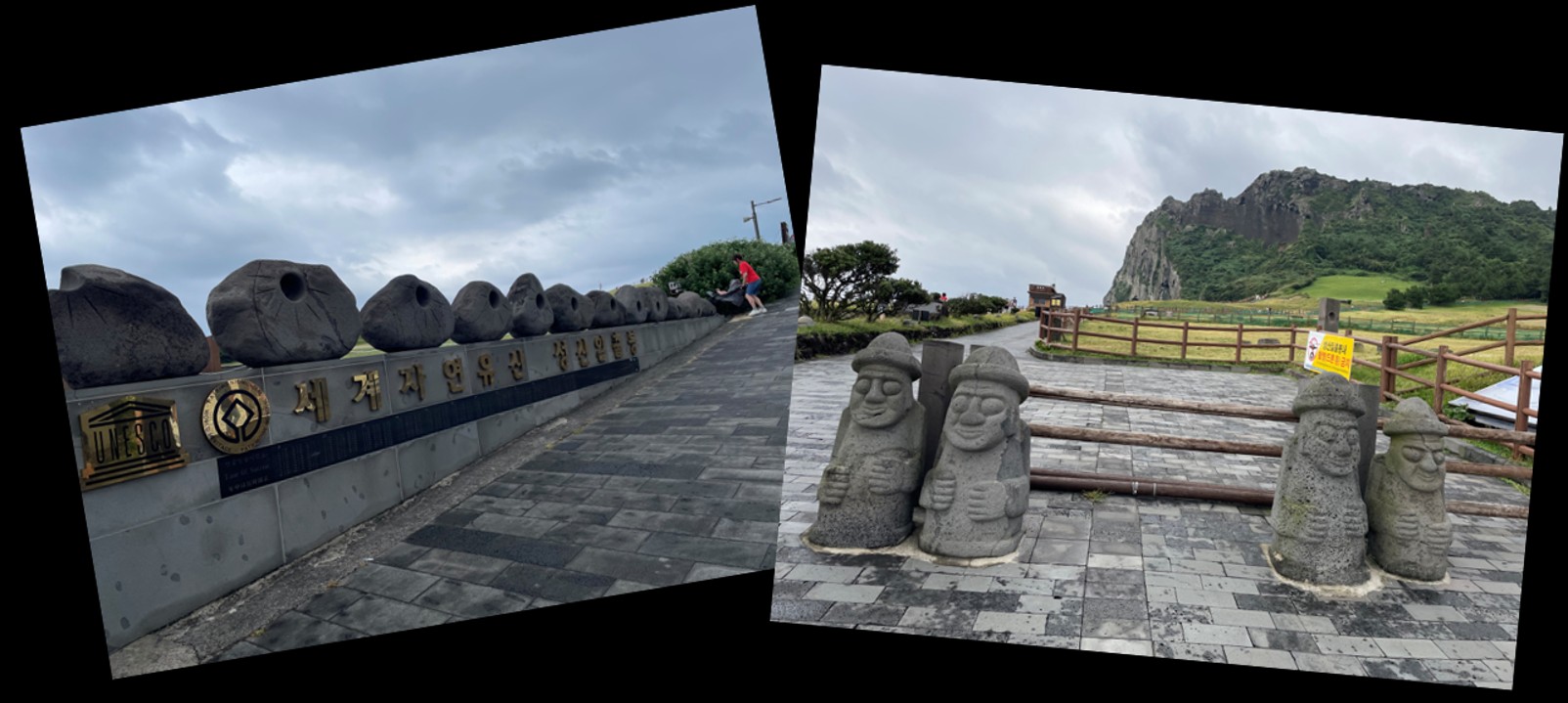
The entrance to the park is decorated with what I can only guess are volcanic stones
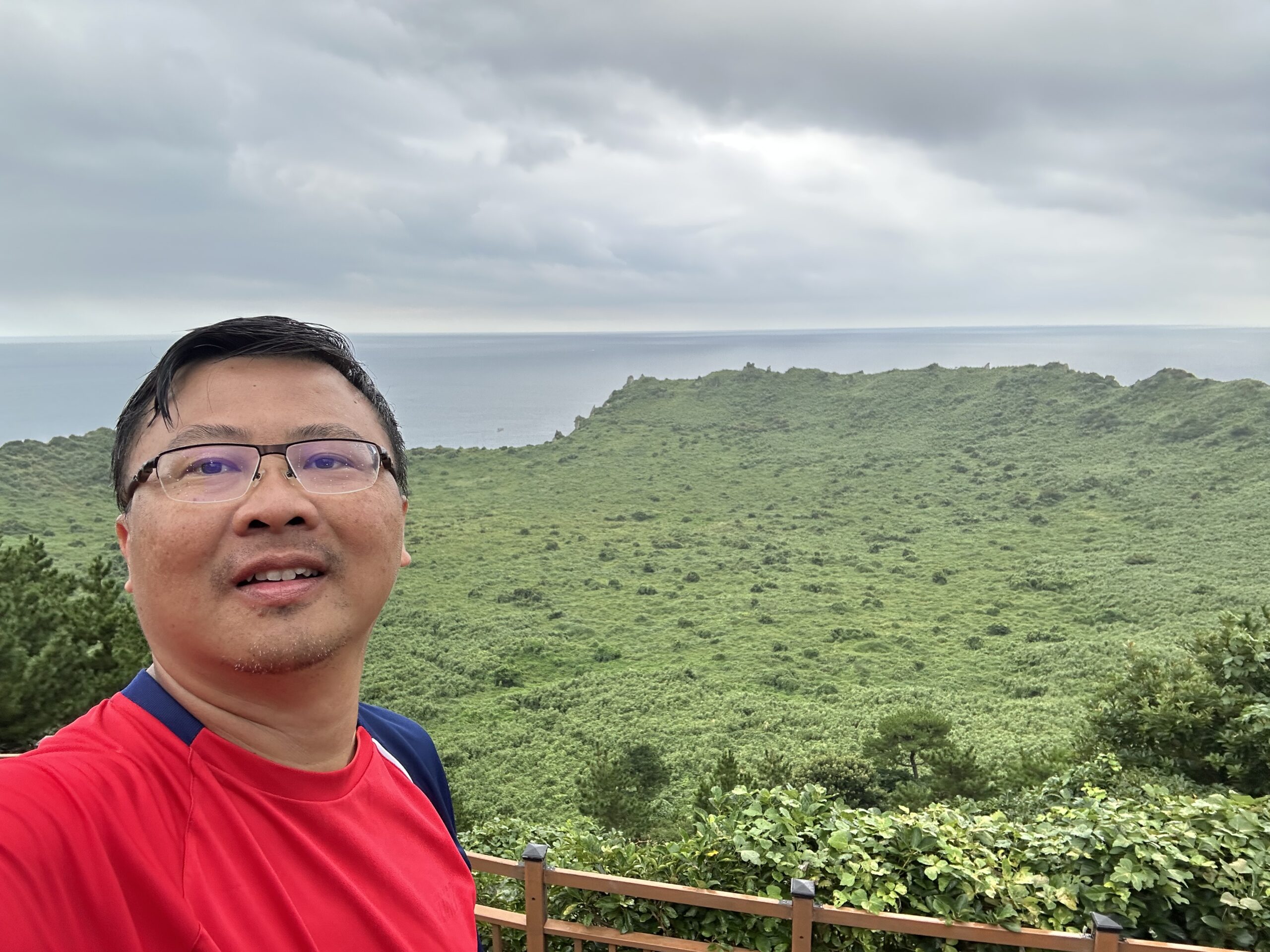
You can see the outline of the rim of the volcano, with its crater now filled with local foliage
Overlooking the bay below
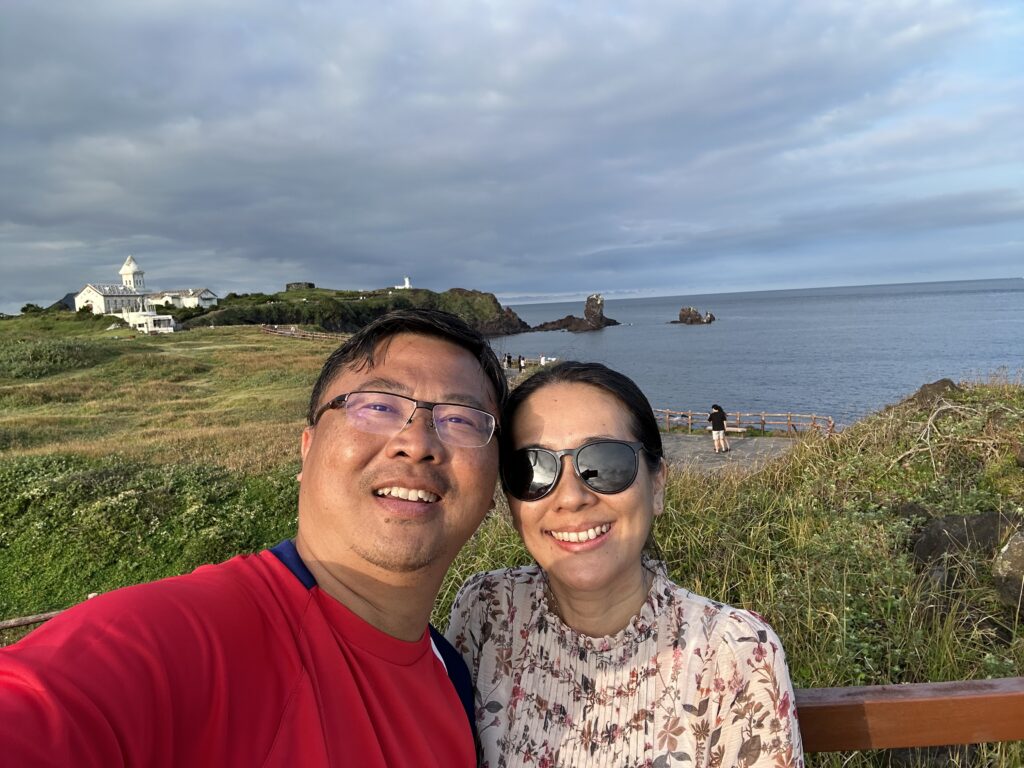
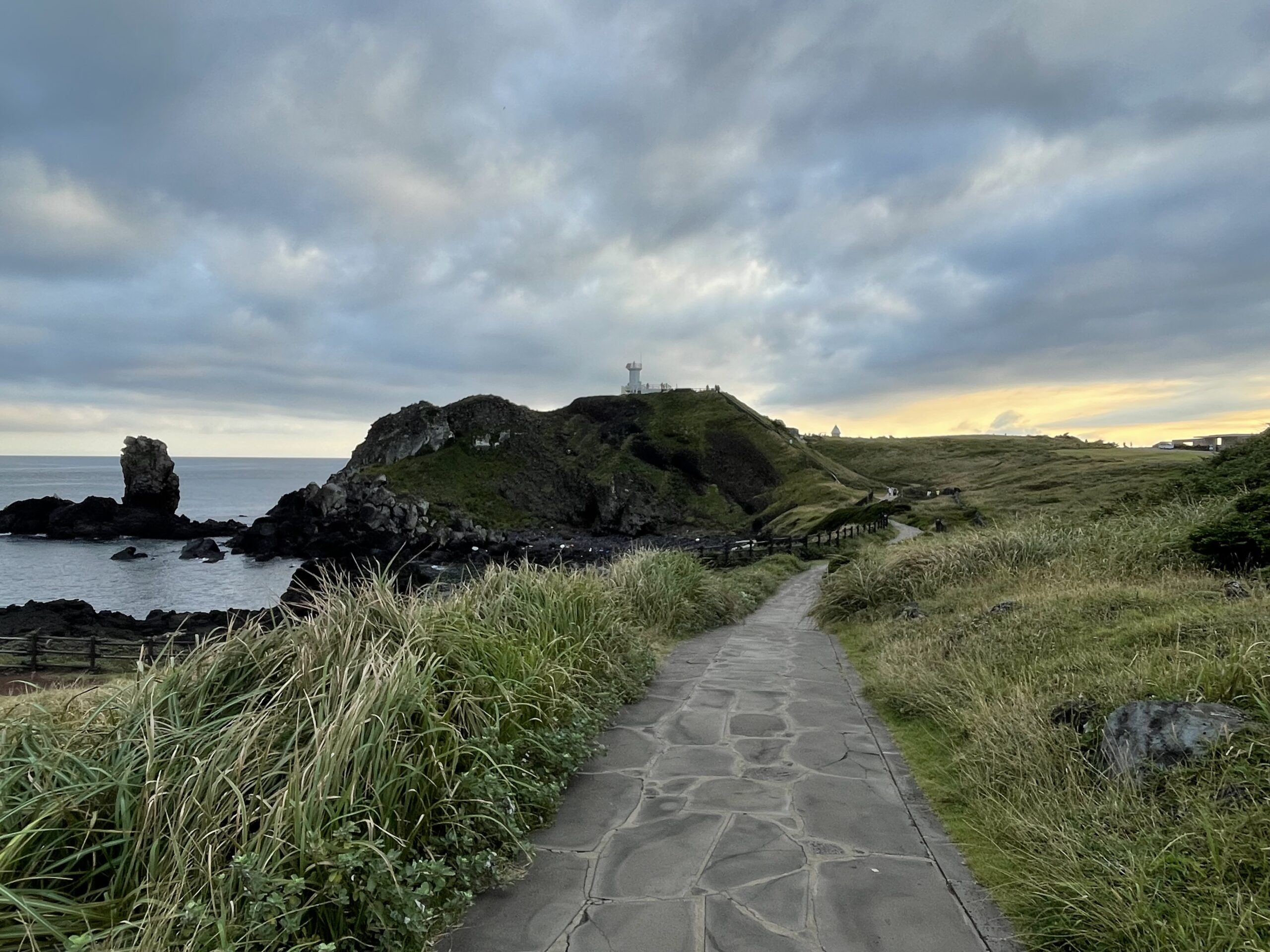
The sunset.... at Sunrise Peak
Summary of Day 3
The bicycle ride around Udo Island was really special – we could stop wherever we liked to take photographs or just enjoy the beauty of the place (Bro Ray: We still had to be careful, ofcourse). The slight breeze and the clear skies meant that the whole day was literally perfect for cycling and later, for hike up the Seongsan Ilchulbong. The fact that we stayed nearby also meant that we didn’t have to rush. The itinerary was also light and easy, but I can see why some others may want to consider staying a night at Udo Island for a more in-depth experience of the island.
Our two destinations of the day are literally just across the small straits